

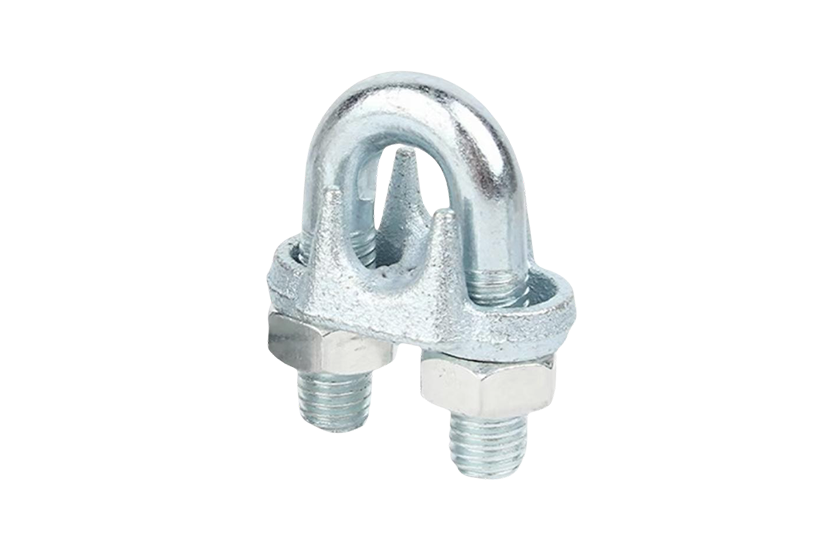
Elegir el adecuado Cable de acero para equipos portuarios es una de las decisiones más importantes en el sector marítimo
y operaciones de terminal. Los puertos dependen de sistemas de elevación, izamiento, remolque, amarre y manipulación de carga que deben realizar
De forma fiable bajo cargas pesadas, condiciones climáticas adversas, niebla salina, movimiento constante y altos requisitos de seguridad. La cuerda incorrecta
Las especificaciones incorrectas pueden provocar un desgaste más rápido, una menor capacidad de elevación, tiempos de inactividad no planificados y graves riesgos para la seguridad.
Este Guía de selección de cables de acero para equipos portuarios proporciona conocimientos generales de la industria para ingenieros,
equipos de compras, gerentes de mantenimiento, operadores de terminales y compradores que necesitan una comprensión clara de los tipos de cuerda,
construcción, selección de diámetro, resistencia, resistencia a la corrosión, rendimiento a la fatiga e idoneidad para la aplicación. Es
escrito para visibilidad en búsquedas y uso práctico, con secciones estructuradas, definiciones claras y tablas de especificaciones que
Se puede insertar directamente en un sitio web, blog, página de categoría de producto o página de recursos del sector.
Esta guía no recomienda ninguna empresa o marca específica. Se centra únicamente en información estándar de la industria,
Criterios de selección, definiciones técnicas y especificaciones generales que se utilizan habitualmente en las aplicaciones de equipos portuarios.
Cable de acero es un componente flexible de elevación y tensión hecho de múltiples alambres de acero retorcidos en
hebras, que luego se colocan alrededor de un núcleo central. En equipos portuarios, el cable de acero se utiliza para grúas, grúas de barco a tierra,
Grúas pórtico, grúas de portal, polipastos, cabrestantes, sistemas de dragado, sistemas de amarre y maquinaria para la manipulación de carga.
En comparación con la cadena o la cuerda sintética, el cable de acero ofrece un fuerte equilibrio de resistencia a la tracción, resistencia a la abrasión,
estabilidad de carga y durabilidadEs especialmente adecuado para entornos portuarios donde los equipos funcionan durante largos periodos de tiempo.
Deben soportar ciclos de carga, flexión y esfuerzos dinámicos repetidos.
En las operaciones portuarias, la selección del cable de acero debe tener en cuenta lo siguiente:
La maquinaria portuaria opera bajo algunas de las condiciones más exigentes en el izamiento industrial. El equipo a menudo está expuesto a
uso de alta frecuencia, cargas de choque, vibraciones y entornos marítimos adversos. El cable de acero debe seleccionarse para soportar
tanto la seguridad como la productividad.
Las principales ventajas de usar Cable de acero para equipos portuarios incluir:
| Ventaja | Descripción | Beneficios en aplicaciones portuarias |
|---|---|---|
| Alta resistencia a la tracción | Soporta grandes cargas de trabajo sin una elongación excesiva. | Ideal para grúas, polipastos y manipulación de cargas pesadas. |
| Buena resistencia a la fatiga | Ofrece un buen rendimiento bajo ciclos repetidos de flexión y carga. | Permite operaciones portuarias de alta exigencia con un riesgo de fallo reducido. |
| Resistencia a la abrasión | Resiste el desgaste provocado por tambores, poleas y contacto por fricción. | Prolonga la vida útil de la cuerda en entornos de trabajo intensivos. |
| Estabilidad dimensional | Mantiene su forma y comportamiento bajo carga en condiciones de estrés. | Mejora la precisión y el control del izamiento. |
| Opciones de protección contra la corrosión | Puede ser galvanizado, lubricado o recubierto con un recubrimiento especial. | Mayor durabilidad en condiciones marinas y de aire salino. |
| Amplia gama de diseños | Disponible en múltiples construcciones, diámetros y calidades. | Permite adaptar la cuerda a diferentes tipos de equipos portuarios. |
Los equipos portuarios utilizan cables de acero en muchos sistemas diferentes. Comprender la aplicación exacta es esencial para elegir
la construcción y las especificaciones correctas de la cuerda.
El mejor Selección de cables de acero para equipos portuarios depende de la construcción de la cuerda. Diferentes construcciones
presentan diferencias en cuanto a resistencia, flexibilidad, resistencia al aplastamiento y vida útil a la fatiga.
| Tipo cuerda | Características principales | Uso típico en equipos portuarios |
|---|---|---|
| Construcción 6x19 | Resistencia equilibrada y resistencia a la abrasión, flexibilidad moderada. | Aplicaciones de grúas y polipastos de uso general |
| Construcción 6x36 | Más flexible que 6x19, mejor rendimiento de flexión. | Sistemas de flexión frecuentes, elevación de ciclo más alto |
| Construcción de 8x19 | Buena flexibilidad y excelente rendimiento ante la fatiga. | Grúas con movimiento repetido de poleas y cables |
| Cuerda resistente a la rotación | Minimiza la rotación de la cuerda bajo carga, generalmente en construcciones multicapa. | Grúas para elevación de gran altura y de gran tonelaje |
| Cuerda compactada | Los alambres o hilos se compactan para mejorar su resistencia y resistencia al desgaste. | Grúas portuarias de alta capacidad de carga y aplicaciones de servicio intensivo |
| Cuerda galvanizada | Tiene un recubrimiento de zinc para una mayor resistencia a la corrosión. | Entornos marinos y costeros, amarres, grúas exteriores |
| Cuerda de acero inoxidable | Excelente resistencia a la corrosión, uso común en sistemas de grúas pesadas. | Sistemas marinos especiales, aplicaciones de control y auxiliares |
Para seleccionar el correcto cable de acero para equipos portuariosLos compradores deben evaluar el rendimiento, la compatibilidad y el servicio.
entorno. A continuación se detallan los factores técnicos más importantes.
La cuerda debe soportar la carga requerida con un margen de seguridad adecuado. La resistencia a la rotura es la fuerza máxima que soporta la cuerda.
puede soportar antes de fallar. El límite de carga de trabajo es la carga operativa permitida en condiciones seguras. En los sistemas de elevación portuaria,
La cuerda nunca debe seleccionarse basándose únicamente en la resistencia a la rotura; también debe coincidir con el diseño del equipo, el ciclo de trabajo y
requisitos de seguridad reglamentarios.
El diámetro de la cuerda afecta la resistencia, el comportamiento a la flexión, la capacidad del tambor y la compatibilidad con las poleas. Un diámetro mayor generalmente
proporciona mayor resistencia, pero puede requerir tambores y poleas más grandes. El diámetro exacto debe coincidir con el diseño de la máquina y
Siempre que sea posible, se aplicarán las especificaciones del equipo original.
La construcción determina la flexibilidad, la resistencia a la fatiga y el rendimiento de desgaste. Las grúas portuarias que doblan la cuerda sobre poleas muchas
Las veces al día que se necesita un sistema de elevación requieren una construcción más flexible que un sistema de elevación de bajo ciclo.
Los cables de acero suelen utilizar uno de los siguientes tipos de núcleo:
Para muchos cable de acero para grúa portuaria En las aplicaciones, el IWRC suele ser el preferido porque ofrece una mejor estructura.
Soporte y durabilidad en condiciones de uso exigentes.
Los cables de acero se fabrican en diferentes grados de acero. Los grados de mayor resistencia a la tracción generalmente proporcionan un rendimiento más robusto y pueden
reducen el diámetro de la cuerda para una carga determinada, pero también pueden influir en la flexibilidad y el costo. El grado correcto depende del diseño.
requisitos y compatibilidad de equipos.
Los acabados superficiales comunes incluyen opciones brillantes, galvanizadas y recubiertas. Para equipos portuarios expuestos al aire marino o directo
En caso de salpicaduras de agua de mar, a menudo se elige cuerda galvanizada por su mayor resistencia a la corrosión.
La lubricación reduce la fricción interna, ayuda a prevenir la corrosión y contribuye a una mayor vida útil. Algunas cuerdas se entregan
con lubricación de fábrica, mientras que otros pueden requerir lubricación de mantenimiento periódica durante su uso.
La fatiga por flexión es una de las principales causas de desgaste de los cables de acero en los sistemas de grúas. Si el cable pasa por poleas y tambores
Con frecuencia, es esencial una construcción con una alta resistencia a la fatiga.
En tambores multicapa o sistemas con alta presión de bobinado, la resistencia al aplastamiento de la cuerda es fundamental. Cuerdas compactadas e IWRC
Los diseños suelen funcionar mejor en estas condiciones.
Los puertos crean un entorno corrosivo desafiante. La sal, la humedad, la niebla y la exposición a productos químicos pueden acortar la vida útil de las cuerdas. Un sistema de protección contra la corrosión...
Una cuerda resistente, una lubricación regular y un almacenamiento adecuado contribuyen a mejorar el rendimiento a largo plazo.
La siguiente tabla muestra las especificaciones generales comunes utilizadas como puntos de referencia en la Industria de cables de acero para equipos portuarios.
La selección final siempre debe ajustarse al diseño del equipo y a los requisitos de funcionamiento.
| Elemento de especificación | Gama/Opción común | Nota de selección |
|---|---|---|
| Diámetro | De 8 mm a 60 mm o más | Depende de la capacidad de la grúa y del diseño del tambor/polea. |
| Construcción | 6x19, 6x36, 8x19, resistentes a la rotación, compactados | Elija en función de sus necesidades de fatiga, flexibilidad y fuerza. |
| Centro | FC, IWRC, WSC | IWRC se utiliza comúnmente para elevación de cargas pesadas. |
| Acabado superficial | Brillante, galvanizado, recubierto | El galvanizado es el material preferido en entornos marinos. |
| Lubricación | Lubricación ligera, media y pesada para fábrica | Ayuda a reducir el desgaste y la corrosión. |
| Grado de tracción | Grados industriales generales hasta grados de alta resistencia a la tracción. | Cumplir con los requisitos de diseño y seguridad del equipo. |
| Dirección de colocación | lay ordinario de la derecha, lay lang de la derecha, opciones de la izquierda | Debe ser compatible con el sistema de rotación del tambor y de enrollado. |
| Comportamiento de rotación | Convencional o resistente a la rotación | Para ciertos polipastos puede ser necesario utilizar cuerdas resistentes a la rotación. |
| Cumplimiento de las normas | Normas de elevación industriales e internacionales | Confirme con las regulaciones locales y los requisitos del fabricante de equipos originales (OEM). |
Una correcta Guía de selección de cables de acero para equipos portuarios debe comenzar con el tipo de equipo y funcionamiento
patrón. Las diferentes máquinas imponen diferentes exigencias a la cuerda.
Estas grúas requieren cables con excelente resistencia a la fatiga, comportamiento de elevación estable y gran capacidad de carga. Porque
Se ejecutan con frecuencia y a menudo en largas distancias de recorrido vertical, las construcciones resistentes a la rotación o de ingeniería avanzada pueden
Puede ser necesario dependiendo del diseño del polipasto.
Las grúas pórtico sobre neumáticos y sobre rieles generalmente necesitan cables que soporten ciclos repetitivos y un aparejo suave. Flexibilidad,
El comportamiento de bobinado y la resistencia al desgaste son consideraciones clave.
Estos sistemas pueden requerir cuerdas con alta resistencia, gran resistencia a la fatiga por flexión y un rendimiento fiable en exteriores.
condiciones. La protección contra la corrosión es especialmente importante para un servicio a largo plazo.
Las cuerdas de cabrestante y amarre pueden priorizar la resistencia a la abrasión, la resistencia y la durabilidad ambiental. Dependiendo del uso,
La construcción galvanizada o los recubrimientos especializados pueden resultar beneficiosos.
Los sistemas de dragado suelen exponer las cuerdas a la abrasión, la humedad, el lodo y cargas variables. Una cuerda con una fuerte integridad estructural.
y normalmente se requiere resistencia al desgaste.
La dirección de torsión se refiere a la dirección en la que los hilos se retuercen alrededor del núcleo y afecta al comportamiento de la cuerda en los tambores.
y gavillas. Las categorías más comunes son:
Para equipos portuarios, la dirección de tendido debe coincidir con la rotación del tambor, el patrón de reenvío y el diseño del sistema. Una selección incorrecta del tendido puede
aumenta la torsión, los problemas de enrollado o el desgaste prematuro de la cuerda.
La corrosión es una de las mayores amenazas para Cable de acero en equipos portuarios. Aire cargado de sal, humedad, rocío,
y la retención de agua puede dañar la superficie de la cuerda y los alambres internos. Con el tiempo, la corrosión reduce la resistencia, aumenta la resistencia interna
fricción, y acelera la fatiga.
Para mejorar la resistencia a la corrosión:
El factor de seguridad es la relación entre la resistencia a la rotura de la cuerda y la carga máxima de trabajo. En izamiento y manipulación portuaria.
Los sistemas y los requisitos del factor de seguridad dependen del tipo de equipo, las normas y la aplicación. Una cuerda diseñada correctamente debería
Proporcionar siempre suficiente reserva de energía en condiciones dinámicas.
Puntos importantes:
La inspección regular es esencial en las operaciones portuarias. Los cables de acero deben reemplazarse cuando muestren un deterioro significativo o
ya no cumplen con los criterios de funcionamiento seguros.
| Tipo de daño | Qué buscar | Por qué es importante |
|---|---|---|
| Cables rotos | Múltiples roturas de cables visibles en una sección | Indica fatiga y disminución de la fuerza. |
| Reducción del diámetro | La cuerda se vuelve notablemente más delgada | Señales de desgaste, daños internos o fallo del núcleo |
| Corrosión | Óxido, picaduras o secciones endurecidas | Debilita los cables y reduce su vida útil. |
| Jaulas para pájaros | Los filamentos exteriores se abren o se deforman hacia afuera. | Sugiere pérdida de estabilidad estructural |
| Perforación | Doblez o torsión permanente en la cuerda | Puede dañar gravemente la integridad de la cuerda. |
| Aplastamiento | La cuerda parece aplastada o deformada. | Común en condiciones de sobrecarga de tambores y poleas |
El almacenamiento y manipulación correctos ayudan a preservar el rendimiento de Cable de acero para equipos portuarios.
Utilice la siguiente lista de verificación como referencia práctica antes de comprar o especificar cables de acero para maquinaria portuaria:
| Elemento de la lista de verificación | Sí / No | Notas |
|---|---|---|
| Tipo de equipo identificado | Grúa, cabrestante, sistema de amarre, dragado o sistema de transporte | |
| Requisitos de carga confirmados | Carga de trabajo, carga dinámica y factor de seguridad | |
| Diámetro de la cuerda coincidente | Compatible con tambores y poleas de diferentes tamaños. | |
| Construcción seleccionada | En función de las necesidades de flexibilidad, fatiga y desgaste. | |
| Tipo de núcleo elegido | FC, IWRC o núcleo especializado | |
| Protección contra la corrosión confirmada | Acabado brillante, galvanizado o recubierto | |
| Dirección de colocación verificada | Adaptado a la rotación del tambor y al enrollado | |
| Plan de inspección y reemplazo definido | Garantiza un funcionamiento seguro a largo plazo. |
La mejor cuerda depende del tipo de grúa, la capacidad de carga, el sistema de aparejo y el ciclo de trabajo. En muchos casos, la opción preferida
Es una cuerda con gran resistencia a la fatiga, buena resistencia mecánica y protección contra la corrosión, adecuada para entornos marinos.
El cable de acero galvanizado suele ser el preferido en los puertos porque ofrece una mejor resistencia a la corrosión y la humedad que el cable de acero brillante.
cuerda. Es especialmente útil en lugares donde el aire salino y la exposición al aire libre son frecuentes.
Las construcciones comunes incluyen diseños de 6x19, 6x36, 8x19 y resistentes a la rotación. La opción correcta depende de si
La prioridad es la resistencia, la flexibilidad, la resistencia a la fatiga o el rendimiento antirrotación.
La frecuencia de inspección depende del nivel de uso y de las normas locales. Los sistemas de elevación portuarios de uso intensivo suelen requerir inspecciones frecuentes.
Inspección visual y revisiones de mantenimiento periódicas documentadas.
Seleccionar el correcto Cable de acero para equipos portuarios requiere un cuidadoso equilibrio de fuerza, flexibilidad,
resistencia a la corrosión, vida útil a la fatiga y compatibilidad con el diseño de la máquina. Los puertos son entornos exigentes y cada
Las especificaciones del cable deben elegirse teniendo en cuenta la seguridad operativa y el rendimiento a largo plazo.
Al comprender la construcción de la cuerda, el tipo de núcleo, el diámetro, el acabado de la superficie, la dirección de torsión y las necesidades específicas de la aplicación,
Los operadores y compradores pueden tomar decisiones más informadas y mejorar la confiabilidad de los equipos. Ya sea que la aplicación sea una
Grúa de barco a tierra, grúa pórtico, polipasto, cabrestante o sistema de amarre, el cable de acero correcto ayuda a soportar de manera eficiente
operación, menor tiempo de inactividad y manejo de carga más seguro.
Utilice esta guía como referencia general para Selección de cables de acero en equipos portuariosy siempre confirme el resultado final
Especificaciones con requisitos de ingeniería, manuales de equipos y normas de seguridad aplicables.
```

 Teléfono fijo: +86-513-85100011
Teléfono: +86 13585223056
 Correo electrónico:hangtong@nthangtong.com
vicky@nthangtong.com
 Dirección: No. 508, Guangxing Road, ciudad de Baishan, condado de Bo'ai, ciudad de Jiaozuo, provincia de Henan
Copyright © Henan Suxiang Steel Cable Co., Ltd
Este sitio web utiliza cookies para garantizar que obtenga la mejor experiencia en nuestro sitio web.
 English
 한국어
한국어 العربية
 Tiếng Việt
 Filipino



 Teléfono
Comentario
(0)