

Malla de gaviones para protección costera e ingeniería hidráulica. Se utiliza ampliamente en la ingeniería civil moderna, la estabilización de costas, la canalización de ríos, el control de la erosión y los proyectos de infraestructura hidráulica. Como solución flexible, permeable y rentable, la malla de gaviones ayuda a proteger riberas, taludes, terraplenes, canales y bordes costeros de los efectos dañinos de la acción de las olas, la erosión de las corrientes, las marejadas ciclónicas y el desplazamiento del suelo. Para proyectos que requieren un soporte estructural duradero, manteniendo al mismo tiempo el drenaje natural y la compatibilidad ambiental, la malla de gaviones sigue siendo una de las categorías de materiales más prácticas y relevantes en el sector de la ingeniería geotécnica e hidráulica.
Esta página ofrece una visión general, optimizada para SEO y centrada en el sector, de las mallas de gaviones para la protección costera y la ingeniería hidráulica. Incluye definiciones, características principales, áreas de aplicación, opciones de materiales, especificaciones, beneficios, factores de selección y consideraciones técnicas. El contenido está redactado para su uso directo en entradas de blog, páginas de categorías, centros de productos y páginas de recursos de ingeniería, con una sólida estructura de palabras clave diseñada para mejorar la visibilidad en los motores de búsqueda.
Malla de gaviones Es un sistema de malla metálica que se utiliza para formar cestas, colchones, sacos o paneles que se rellenan con piedra, roca u otro agregado estable. Una vez ensamblada y rellena, la estructura se convierte en una unidad pesada, flexible, permeable y resistente a la erosión. En la protección costera y la ingeniería hidráulica, la malla de gaviones es muy valorada porque se adapta a los movimientos del terreno, absorbe la energía hidráulica y permite el paso del agua a la vez que retiene el suelo y la roca.
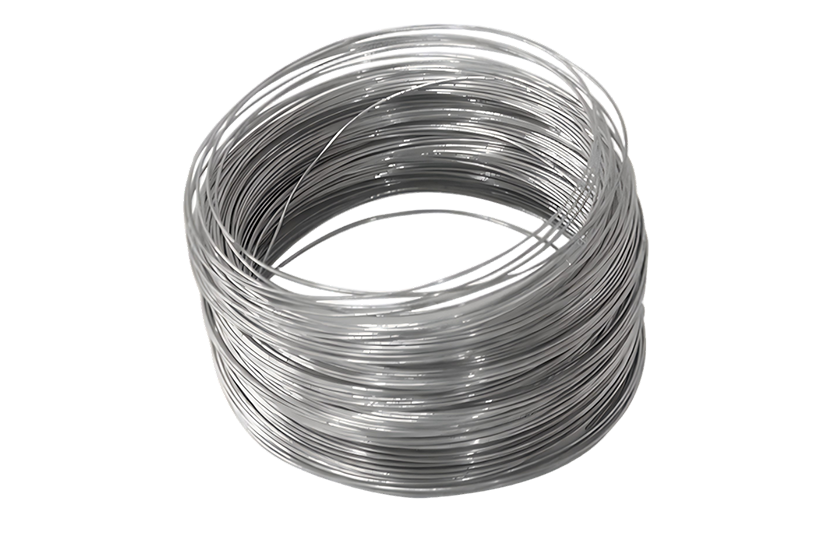
La malla para gaviones se fabrica generalmente con Alambre de acero galvanizado, alambre recubierto de PVC, alambre recubierto de aleación de zinc-aluminio o alambre de acero inoxidable, según las condiciones ambientales y los requisitos de vida útil. En entornos marinos, fluviales y de drenaje, la resistencia a la corrosión es un factor crítico, por lo que el tipo de recubrimiento y el diámetro del alambre son parámetros importantes en las especificaciones.
Los entornos costeros e hidráulicos están expuestos a fuerzas naturales constantes. Olas, mareas, corrientes, escorrentía pluvial, sedimentación, inundaciones, impacto del hielo y erosión del suelo pueden dañar los sistemas estructurales. La malla de gaviones ofrece un equilibrio entre resistencia y flexibilidad, lo que la hace idónea para condiciones inestables o cambiantes. A diferencia de las estructuras rígidas de hormigón, los sistemas de malla de gaviones pueden asentarse ligeramente sin agrietarse y mantener su funcionalidad incluso cuando el subsuelo se desplaza.
En la protección costera, la malla de gaviones ayuda a reducir la energía de las olas, proteger las costas, estabilizar los terraplenes y prevenir la erosión. En ingeniería hidráulica, sirve de soporte para el revestimiento de canales, el refuerzo de riberas, la protección de estribos de puentes y de la base de presas, la estabilización de salidas de alcantarillas y el control del drenaje. Gracias a su permeabilidad, reduce la presión hidrostática y mejora la estabilidad a largo plazo.
La malla de gaviones ofrece múltiples ventajas funcionales y económicas. Estos beneficios explican por qué se sigue utilizando tanto en proyectos de infraestructura temporales como permanentes.
La malla de gaviones se utiliza en numerosos sectores de control de agua, gestión de zonas costeras e infraestructura civil. A continuación se muestran las áreas de aplicación más comunes.
| Área de aplicación | Función típica | Beneficio de ingeniería |
|---|---|---|
| Protección costera | Refuerzo de la línea costera, disipación de olas, apoyo a la defensa costera. | Reduce la erosión y protege los bienes costeros. |
| Estabilización de las riberas del río | Revestimiento de taludes, protección de la base, refuerzo de taludes | Previene el colapso y la erosión de los bancos. |
| Revestimiento del canal | Protege los canales de riego, drenaje y control de inundaciones. | Mejora la estabilidad del flujo y la durabilidad de la superficie. |
| Protección de los estribos del puente | Protección contra la abrasión alrededor de los cimientos | Contribuye a la seguridad estructural y a la durabilidad de los cimientos. |
| Obras de presa y aliviadero | Protección de los dedos, disipación de energía, control de la erosión | Minimiza los daños causados por el agua. |
| proyectos de control de inundaciones | Refuerzo de terraplenes, protección de diques | Mejora la resistencia durante eventos de fuerte caudal. |
| Sistemas de drenaje | Estabilización de la salida y canalización del agua | Mejora el rendimiento de descarga controlada |
| Obras marinas y estuarinas | Protección contra el movimiento de las mareas y la exposición a la salinidad. | Proporciona estabilidad estructural en entornos adversos. |
La selección de diferentes tipos de malla para gaviones depende de la geometría del proyecto, las condiciones hidráulicas, el comportamiento del suelo y la resistencia requerida. Comprender los principales tipos ayuda a ingenieros y compradores a elegir el sistema más adecuado.
| Tipo gavión | Descripción | Uso típico |
|---|---|---|
| Caja de gaviones | Cesta rectangular de malla metálica rellena de piedra | Muros de contención, protección de riberas, defensa costera |
| Colchón de gaviones | Unidad poco profunda y ancha diseñada para cubrir superficies. | Lechos de ríos, revestimientos de canales, control de la erosión |
| saco de gavión | Contenedor de malla cilíndrico o en forma de bolsa | Trabajos de emergencia, colocación subacuática, protección temporal |
| Sistema de valla o paneles de gaviones | Configuración de paneles estructurales basada en malla | Refuerzo de estructuras de soporte y paisajismo |
| Sistema de muro de contención de gaviones | Cestas de malla apiladas que forman una pared por gravedad | Pendientes, terraplenes y bordes de la costa |
La selección de materiales influye directamente en el rendimiento, la resistencia a la corrosión y la vida útil general. En la protección costera y la ingeniería hidráulica, el entorno suele ser húmedo, abrasivo y químicamente agresivo, por lo que la elección del recubrimiento es fundamental.
| Tipo de material | Características | Entorno más adecuado |
|---|---|---|
| Alambre de acero galvanizado por inmersión en caliente | Económico, resistente a la corrosión, ampliamente utilizado. | Ingeniería general del agua y exposición moderada |
| Alambre galvanizado y recubierto de PVC | Protección adicional contra la humedad, la abrasión y los productos químicos. | Zonas costeras, aguas salinas y áreas de alta humedad. |
| Alambre recubierto de aleación de zinc y aluminio | Mayor resistencia a la corrosión y durabilidad mejorada | Proyectos de infraestructura marítima, fluvial y de larga duración |
| Alambre de acero inoxidable | Alta resistencia a la corrosión y durabilidad superior. | Entornos altamente agresivos y proyectos especializados |
Las especificaciones de la malla de gaviones varían según los requisitos del proyecto, pero varios parámetros se utilizan comúnmente para definir el rendimiento del producto. Estos incluyen el diámetro del alambre, la abertura de la malla, el tipo de recubrimiento, la resistencia a la tracción, el tamaño de la cesta y el sistema de atado. La siguiente tabla proporciona un formato de referencia general para uso industrial.
| Elemento de especificación | Gama/Opción común | Notas |
|---|---|---|
| Diámetro del alambre | De 2,0 mm a 4,0 mm | A menudo se elige un alambre más grueso para entornos acuáticos exigentes. |
| Abertura de malla | 60 x 80 mm, 80 x 100 mm, 100 x 120 mm | Elegido en función del tamaño de la piedra y las necesidades de contención. |
| Dimensiones de la cesta | Tamaños modulares comunes disponibles | Se puede personalizar para la geometría del proyecto. |
| Tipo de recubrimiento | Acero inoxidable galvanizado, recubierto de PVC, zinc-aluminio | Determina la resistencia a la corrosión y la vida útil. |
| Resistencia a la tracción | Opciones de alambre de alta resistencia disponibles | Mejora la integridad estructural y la fiabilidad de la instalación. |
| Alambre de atar | Disponible con recubrimiento y diámetro compatibles. | Se utiliza para conectar paneles y reforzar juntas. |
| Alambre de orillo | Alambre de borde más grueso para refuerzo del marco | Mejora la estabilidad de la forma de la cesta. |
El principio de funcionamiento de la malla de gaviones se basa en una combinación de masa, permeabilidad y flexibilidad. Al rellenarse con piedras, la estructura adquiere la densidad suficiente para resistir el movimiento provocado por las olas o el agua corriente. Al mismo tiempo, el diseño de malla abierta permite que el agua se filtre a través de los espacios entre las piedras, reduciendo la presión de elevación y evitando el socavamiento estructural.
En zonas costeras, la malla de gaviones actúa como barrera o amortiguador, absorbiendo parte de la energía de las olas antes de que alcance suelos vulnerables o estructuras construidas. En ríos y canales, ayuda a proteger las riberas de la corriente a alta velocidad y reduce la erosión superficial. Además, la masa de piedra entrelazada ofrece mayor resistencia a la deformación que las estructuras de contención rígidas, lo que la hace especialmente útil en zonas donde se prevén asentamientos.
La permeabilidad es una de las ventajas más importantes de la malla de gaviones en aplicaciones hidráulicas. A diferencia de los muros de hormigón o mampostería, las estructuras de gaviones no retienen el agua. Esto reduce la presión hidrostática y puede disminuir el riesgo de fallas, levantamiento o agrietamiento del muro.
El diseño de mallas de gaviones para la protección costera requiere prestar atención a la carga hidráulica, la resistencia a la corrosión, la estabilidad de los cimientos y la selección de la piedra. La exposición ambiental suele ser más severa en zonas marinas y costeras que en proyectos tierra adentro. La bruma salina, los ciclos de mareas, la alternancia de periodos secos y húmedos y el impacto de las olas pueden afectar significativamente su rendimiento con el tiempo.
Las consideraciones clave de diseño incluyen:
En ingeniería hidráulica, la malla de gaviones suele formar parte de un sistema más amplio que incluye geotextiles, capas de drenaje, filtros, anclajes y preparación de la cimentación. Una integración adecuada es fundamental para un rendimiento óptimo a largo plazo.
| Factor de diseño | Por qué es importante | Enfoque típico de planificación |
|---|---|---|
| Velocidad hidráulica | Afecta a la erosión y a las fuerzas de impacto. | Seleccione la masa y la resistencia de la malla adecuadas. |
| Geometría del canal | Determina la disposición de las unidades y la cobertura de la pendiente. | Adaptar la forma de la cesta a las condiciones del terreno. |
| Protección del filtro | Evita la pérdida de suelo a través del sistema. | Utilice geotextiles o capas filtrantes graduadas. |
| Estabilidad de los cimientos | Proporciona durabilidad estructural | Prepare la base y evite la liquidación diferencial. |
| Química del agua | Influye en la tasa de corrosión | Elija el revestimiento adecuado o las opciones de acero inoxidable. |
La calidad del material de relleno es tan importante como la propia malla. En muchos proyectos de protección costera e ingeniería hidráulica, se prefiere la roca angular, dura y duradera, ya que se entrelaza bien y resiste el desplazamiento. Un material de relleno deficiente puede reducir el rendimiento incluso cuando la malla está correctamente especificada.
La malla de gaviones es popular no solo por sus propiedades de ingeniería, sino también por su facilidad de instalación. El sistema es modular y no requiere maquinaria altamente especializada para cada proyecto. Esto lo hace idóneo para emplazamientos remotos, reparaciones de emergencia y construcciones por etapas.
Las necesidades de mantenimiento de las mallas de gaviones suelen ser bajas en comparación con muchos sistemas de infraestructura rígida, pero la inspección periódica sigue siendo importante. Los entornos costeros e hidráulicos pueden provocar desgaste mecánico, corrosión o desplazamiento con el tiempo. Las revisiones rutinarias ayudan a preservar el rendimiento estructural y prolongar su vida útil.
Las actividades de mantenimiento pueden incluir la inspección del estado del cable, la comprobación de ataduras rotas, la verificación del asentamiento de las piedras, la sustitución de unidades dañadas y el control de la erosión alrededor de la base. En entornos altamente agresivos, medidas de protección adicionales, como recubrimientos más gruesos o materiales de cable de mayor calidad, pueden contribuir a una mayor vida útil.
La malla de gaviones se considera a menudo una solución más adaptable al medio ambiente que muchos sistemas totalmente rígidos. Gracias a que facilita el drenaje y utiliza relleno de piedra natural, se integra con paisajes y entornos acuáticos de forma menos intrusiva. En algunos proyectos, la vegetación puede crecer alrededor o dentro de los sistemas de gaviones, mejorando aún más la integración visual y la estabilidad de la pendiente.
Los ingenieros suelen comparar la malla de gaviones con los diques, revestimientos y muros de contención de hormigón. Cada sistema tiene sus ventajas, pero la malla de gaviones destaca en proyectos donde la flexibilidad, el drenaje y la sencillez de instalación son prioritarios.
| Característica | Sistema de malla de gaviones | Sistema de hormigón rígido |
|---|---|---|
| Flexibilidad | Alto | Bajo |
| Drenaje | Excelente | Limitado |
| Tolerancia de asentamiento | Bien | De malo a moderado |
| Complejidad de la construcción | De moderado a bajo | De moderado a alto |
| Integración ambiental | Fuerte | Moderado |
| Resistencia al agrietamiento | No aplicable de la misma manera | Puede agrietarse durante el movimiento. |
Los siguientes temas de palabras clave son útiles para el contenido de blogs, páginas de productos, descripciones de categorías y artículos técnicos. Usar estas frases de forma natural en todo el contenido puede mejorar la relevancia temática para los motores de búsqueda.
La elección de la malla de gaviones adecuada depende de las condiciones del terreno, las fuerzas hidráulicas, la vida útil prevista y el presupuesto. Un sistema bien seleccionado debe satisfacer las exigencias mecánicas del proyecto, a la vez que proporciona la resistencia a la corrosión y la estabilidad estructural necesarias.
Para el SEO y la comprensión del sector, es útil entender los términos técnicos comunes que se utilizan en las especificaciones de las mallas de gaviones.
| Término | Significado |
|---|---|
| Abertura de malla | El tamaño de la abertura de la malla metálica |
| Alambre de orillo | Se utilizó alambre más grueso en los bordes de la cesta para reforzarla. |
| Alambre de atar | Cable utilizado para conectar y asegurar los paneles de gaviones. |
| Colchón de gaviones | Unidad de gavión de perfil bajo utilizada para la protección de superficies. |
| protección contra la abrasión | Medidas que previenen la erosión del suelo causada por el agua en movimiento. |
| Resistencia a la corrosión | Capacidad del recubrimiento del cable para resistir la oxidación y la degradación ambiental. |
Malla de gaviones para protección costera e ingeniería hidráulica. Sigue siendo una de las soluciones más versátiles y fiables para el control de la erosión, la protección de la línea de costa, la estabilización de riberas, el soporte de drenaje y la protección hidráulica. Su combinación de flexibilidad, permeabilidad, durabilidad y rentabilidad la hace muy adecuada tanto para proyectos de ingeniería como para proyectos ambientalmente sensibles.
Ya sea en sistemas de defensa costera, obras de encauzamiento de ríos, revestimiento de canales, mitigación de inundaciones o refuerzo de taludes, la malla de gaviones ofrece un rendimiento práctico en entornos exigentes. Al seleccionar el material de alambre, la abertura de la malla, el revestimiento y la piedra de relleno adecuados, los planificadores de proyectos pueden lograr una solución estructural estable, duradera y de bajo mantenimiento que se ajusta a los requisitos de la ingeniería hidráulica moderna.
En cuanto a la estrategia de contenido, este tema ofrece un gran potencial SEO, ya que combina palabras clave de alta intención como malla de gaviones, protección costera, ingeniería hidráulica, control de la erosión, estabilización de riberas y colchones de gaviones. Esto lo convierte en una base eficaz para páginas sectoriales, blogs técnicos y recursos educativos que buscan visibilidad en los motores de búsqueda de los mercados de ingeniería civil y protección ambiental.

 Teléfono fijo: +86-513-85100011
Teléfono: +86 13585223056
 Correo electrónico:hangtong@nthangtong.com
vicky@nthangtong.com
 Dirección: No. 508, Guangxing Road, ciudad de Baishan, condado de Bo'ai, ciudad de Jiaozuo, provincia de Henan
Copyright © Henan Suxiang Steel Cable Co., Ltd
Este sitio web utiliza cookies para garantizar que obtenga la mejor experiencia en nuestro sitio web.
 English
 한국어
한국어 العربية
 Tiếng Việt
 Filipino



 Teléfono
Comentario
(0)