

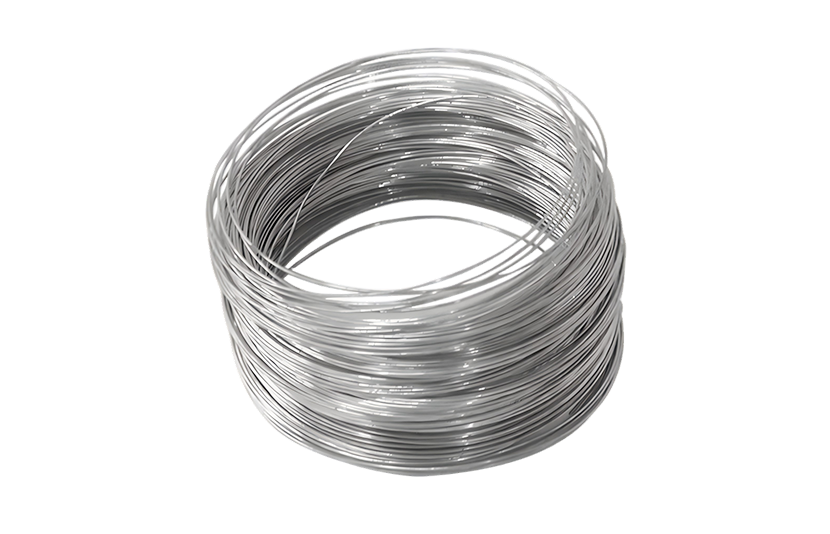
Al seleccionar un cable de acero Para aplicaciones de elevación, aparejo, transporte, remolque o marinas, una de las decisiones técnicas más importantes es la
tipo núcleo de cable de acero. El núcleo es el componente interno que soporta los hilos exteriores y ayuda a determinar cómo se comporta la cuerda bajo carga,
flexión, impacto y cambios de temperatura. En la industria mundial de cables de acero, las dos opciones más comunes son: núcleo de fibra y núcleo de acero.
Comprender la diferencia entre Cable con núcleo de fibra frente a cable con núcleo de acero es esencial para ingenieros, compradores, equipos de mantenimiento, distribuidores y proyectos
especificadores. El tipo de núcleo adecuado puede mejorar la vida útil, la flexibilidad, la resistencia a la abrasión, la resistencia al aplastamiento y la seguridad general. La elección incorrecta puede conducir a una reducción
rendimiento, desgaste prematuro o manejo inadecuado en el campo.
Esta guía proporciona una descripción general clara y optimizada para SEO de Tipos de núcleo de cable de acero, incluyendo definiciones, estructura, beneficios, desventajas, típico
Aplicaciones y tablas comparativas prácticas. Está diseñado para su uso en blogs, páginas de categorías de productos, directorios industriales y páginas de destino técnicas.
A núcleo de cable de acero es el elemento central alrededor del cual se enrollan helicoidalmente los hilos exteriores. Su propósito es proporcionar soporte y mantener la cuerda.
Su forma contribuye a estabilizar la posición de los hilos y al rendimiento mecánico de la cuerda. En pocas palabras, el núcleo actúa como la base de la cuerda.
El cable de acero generalmente está hecho de múltiples hebras de alambre retorcidas alrededor de un núcleo central. El tipo de núcleo afecta directamente la flexibilidad del cable, la distribución de la resistencia y la capacidad de
resistencia al aplastamiento, retención de lubricación e idoneidad para condiciones de funcionamiento específicas. En la terminología de cables de acero, las dos categorías principales son:
Algunas cuerdas también utilizan construcciones especializadas, pero las de núcleo de fibra y las de núcleo de acero siguen siendo las opciones más utilizadas en muchos sectores.
El tipo de núcleo no es solo un detalle de diseño menor. Influye en varios factores críticos de rendimiento, entre ellos:
Elegir entre cable de acero con núcleo de fibra y cable de acero con núcleo de acero Siempre debe basarse en las demandas de la aplicación, el entorno operativo,
comportamiento de la carga, frecuencia de flexión y requisitos de seguridad.
cable de acero con núcleo de fibra utiliza un núcleo hecho de material fibroso en lugar de metal. La fibra puede ser fibra natural, fibra sintética o una estructura textil mixta,
dependiendo del diseño de la cuerda y la aplicación prevista. Los hilos exteriores se enrollan alrededor de este núcleo blando, creando una cuerda que generalmente es más flexible y más fácil de
mayor manejabilidad que una cuerda con núcleo de acero comparable.
Las cuerdas con núcleo de fibra se conocen comúnmente como cables de acero FCSe utilizan ampliamente donde la flexibilidad, la facilidad de flexión y la carga moderada son más importantes.
que la resistencia máxima al aplastamiento o la resistencia al calor.
Cable de acero con núcleo de acero utiliza un elemento de soporte interno a base de acero, que suele ser un núcleo del hilo de alambre o cable de acero independiente
centro construcción. Este tipo de cuerda también es conocida por su alta estabilidad estructural, mayor resistencia a la compresión y mejor rendimiento en condiciones exigentes.
entornos.
Los cables con núcleo de acero se suelen elegir para uso industrial pesado, especialmente cuando están expuestos a cargas elevadas, fuerzas de aplastamiento, abrasión severa o temperaturas elevadas.
En comparación con los cables con núcleo de fibra, los cables con núcleo de acero suelen ofrecer mejor soporte y una vida útil más prolongada en condiciones de funcionamiento adversas.
El Cable con núcleo de fibra frente a cable con núcleo de acero La comparación es fundamental para la selección de cables de acero. Ambos tipos de núcleo cumplen la misma función básica, pero su rendimiento es diferente.
difieren en condiciones reales. La siguiente tabla ofrece una visión general práctica de las principales diferencias.
| Característica | Núcleo de fibra (FC) | Núcleo de acero (SC) |
|---|---|---|
| Material principal | Fibra natural o sintética | Alambres de acero o cable de acero |
| Flexibilidad | Alto | De moderado a bajo |
| Resistencia al aplastamiento | Más bajo | Más alto |
| Resistencia al calor | Más bajo | Más alto |
| Absorción de impactos | Mejor en muchas aplicaciones dinámicas | Moderado |
| Retención de lubricación | Bien | Bien, pero depende de la construcción. |
| Peso | Encendedor | Ligeramente más pesado |
| Uso típico | Aparejos generales, elevación ligera, aplicaciones flexibles | Elevación de cargas pesadas, minería, grúas, entornos hostiles |
| Vida laboral en situaciones de alto estrés | Moderado | Generalmente más largo |
| Nivel de precios | Generalmente más bajo | Generalmente más alto |
El cable de acero con núcleo de fibra es popular en muchas industrias porque equilibra rendimiento, costo y facilidad de manejo. Su estructura interna más flexible permite que el cable se doble.
Se adapta mejor a poleas y tambores, lo que la convierte en una opción práctica para numerosas aplicaciones estándar.
El cable de acero con núcleo de fibra se suele seleccionar cuando el cable debe deslizarse suavemente sobre poleas y tambores con una rigidez mínima. También es más fácil de enrollar, transportar e instalar.
muchos casos de uso estándar.
El cable de acero con núcleo metálico es el preferido en entornos exigentes donde la durabilidad mecánica es fundamental. Debido a que el núcleo es metálico, proporciona un soporte interno más fuerte y
mejor resistencia a las fuerzas de aplastamiento. Esto hace que la cuerda con núcleo de acero sea una excelente opción para aplicaciones donde la cuerda está enrollada firmemente en tambores, sometida a cargas pesadas,
o expuestos a un trato brusco.
En general, si la aplicación requiere que la cuerda soporte compresión, calor y tensión mecánica, se debe utilizar una cuerda adecuada. cable de acero con núcleo de acero suele ser la mejor opción.
A pesar de su flexibilidad, el cable de acero con núcleo de fibra tiene limitaciones. No siempre es adecuado para servicios industriales exigentes, especialmente donde el cable puede aplastarse.
presión o exposición a temperaturas elevadas.
El cable de acero con núcleo ofrece mayor resistencia mecánica, pero también tiene desventajas. En comparación con el cable con núcleo de fibra, suele ser menos flexible y puede ser
Más difícil de manejar en aplicaciones que requieren flexiones pronunciadas.
Seleccionar el correcto tipo núcleo de cable de acero depende de varios factores operativos. No existe una opción "mejor" universal. En cambio, la elección correcta depende de cómo
Se determinará el uso que se le dará a la cuerda, el lugar donde operará y el tipo de tensión a la que estará sometida.
La tabla que aparece a continuación resume el perfil de rendimiento de Cable con núcleo de fibra frente a cable con núcleo de acero en uso industrial práctico.
| Factor de rendimiento | Cable de acero con núcleo de fibra | Cable de acero con núcleo de acero |
|---|---|---|
| Fatiga por flexión | Generalmente bueno | Bien, pero depende de la construcción. |
| Resistencia a la compresión | De moderado a bajo | Alto |
| Tolerancia al calor | Limitado | Mejor |
| Facilidad de manejo | Excelente | Moderado |
| Estabilidad estructural | Moderado | Alto |
| Resistencia al aplastamiento de tambores | Más bajo | Más alto |
| Eficiencia de costos | A menudo es mejor para uso estándar. | Coste inicial más elevado |
| Mejor caso de uso | Operaciones flexibles y de propósito general | Operaciones de alta exigencia y gran resistencia |
Para comprenderlo completamente Tipos de núcleo de cable de aceroResulta útil conocer algunos términos comunes de construcción que se utilizan en el sector.
| Término | Significado |
|---|---|
| Hebra | Un grupo de alambres entrelazados para formar una sección de la cuerda. |
| Centro | El elemento de soporte central dentro del cable de acero. |
| Poner | La dirección y el patrón en que se retuercen los cables y los hilos. |
| Diámetro | El grosor medido del cable de acero. |
| Resistencia a la rotura | La fuerza a la que el cable de acero se rompe bajo tensión. |
| Límite de carga de trabajo | La carga máxima segura recomendada para un uso normal. |
Ya sea que elija cable de acero con núcleo de fibra o cable de acero con núcleo de acero, siempre se deben revisar varias especificaciones antes de la compra o
Instalación. Estos detalles ayudan a garantizar un funcionamiento seguro y eficiente.
La construcción de los cables de acero varía según el número de hebras, el tamaño del alambre y el tipo de núcleo. Si bien las especificaciones exactas dependen de la aplicación, los siguientes ejemplos muestran patrones comunes.
utilizado en la industria.
| Ejemplo de construcción | Tipo de núcleo típico | Uso general |
|---|---|---|
| 6x19 FC | Núcleo de fibra | Aplicaciones de elevación de uso general y centradas en la flexibilidad. |
| 6x36 FC | Núcleo de fibra | Cuerda más flexible para doblar y para uso moderado. |
| 6x19 IWRC | Núcleo de acero | Elevación de alta resistencia y mayor resistencia al aplastamiento. |
| 6x36 IWRC | Núcleo de acero | Aplicaciones industriales que requieren durabilidad y resistencia. |
| Cable de acero 7x7 | Soporte con núcleo de acero y basado en cables | Líneas de control, suspensión y uso industrial general. |
Un mantenimiento adecuado es esencial para prolongar la vida útil de cualquier cable de acero. El tipo de núcleo influye en cómo se debe inspeccionar, lubricar, almacenar y controlar el cable.
En ambos casos, la inspección visual periódica y la sustitución en el intervalo de servicio correcto son importantes para mantener un funcionamiento seguro.
En función de las necesidades operativas, los distintos sectores suelen preferir diferentes tipos de núcleos. La siguiente tabla muestra los patrones de uso más comunes en la industria.
| Industria | Tipo de núcleo preferido | Razón |
|---|---|---|
| Construcción | Núcleo de acero | Cargas pesadas, trabajos con grúa y condiciones difíciles en el lugar de trabajo. |
| Minería | Núcleo de acero | Alta abrasión, tensión de carga y entornos hostiles |
| Marina | Núcleo de fibra o núcleo de acero | Depende de la flexión, la exposición a la corrosión y los requisitos de carga. |
| Fabricación | Ambos | La selección depende del diseño de la máquina y de la frecuencia del ciclo. |
| Transporte | Núcleo de fibra o núcleo de acero | Depende de la flexibilidad, la tensión y las necesidades de manipulación. |
| Petróleo y gas | Núcleo de acero | Más adecuado para condiciones técnicas y ambientales exigentes. |
| Sistemas de ascensores | Núcleo de acero | Mayor resistencia y estabilidad para un movimiento controlado. |
Para las páginas web que buscan visibilidad en los motores de búsqueda, los temas de palabras clave importantes relacionados con Tipos de núcleo de cable de acero incluir:
Estas frases son utilizadas comúnmente por compradores, ingenieros e investigadores técnicos. Incluirlas de forma natural dentro de los encabezados, tablas y párrafos puede ayudar a mejorar la temática.
relevancia para los motores de búsqueda.
No siempre en todas las situaciones, pero generalmente el cable de acero con núcleo de fibra ofrece menos soporte interno que el cable de acero con núcleo de acero. El núcleo de acero suele ser más resistente al aplastamiento.
y más adecuada para trabajos pesados.
Sí, el cable de acero con núcleo suele ser menos flexible que el cable de fibra con núcleo. Esta es una de las razones por las que el cable de fibra se suele elegir para aplicaciones que implican flexiones frecuentes.
y un movimiento suave sobre las gavillas.
La vida útil depende de la aplicación. En entornos de trabajo pesado o de alta tensión, el cable de acero con núcleo de acero suele durar más. En aplicaciones más ligeras, flexibles o de uso moderado
En ciertas aplicaciones, la cuerda con núcleo de fibra puede tener un rendimiento excelente.
En general, no se recomienda el uso de cables de acero con núcleo de fibra en entornos de altas temperaturas, ya que el material de fibra interno puede degradarse más rápidamente que el acero.
IWRC significa Núcleo de cable de acero independienteEs un tipo de construcción con núcleo de acero que utiliza un cable de acero separado como elemento de soporte interno. IWRC es
Se utiliza comúnmente en aplicaciones de cables de acero de alta resistencia.
La elección entre núcleo de fibra y núcleo de acero Depende del equilibrio entre flexibilidad y resistencia. El cable de acero con núcleo de fibra suele ser
preferido por su flexión más suave, manejo más sencillo y aplicaciones sensibles al costo. El cable de acero con núcleo de acero se suele preferir para trabajos pesados, cargas elevadas, altas temperaturas y
Rendimiento resistente al aplastamiento.
Para uso general, el núcleo de fibra puede ser una opción práctica y económica. Para condiciones industriales exigentes, el núcleo de acero suele proporcionar durabilidad y estabilidad.
necesario para un funcionamiento seguro y fiable. Al comprender las diferencias clave en tipos de núcleos de cables de aceroDe esta forma, los compradores y los ingenieros pueden tomar decisiones mejor informadas.
y mejorar el rendimiento de sus equipos.
En cualquier proceso de especificación, siempre se debe considerar el diámetro de la cuerda, la construcción, el entorno operativo, el nivel de carga, la frecuencia de flexión y el programa de mantenimiento. La correcta
elección de tipo núcleo de cable de acero Puede mejorar significativamente la seguridad, reducir el tiempo de inactividad y prolongar la vida útil.
```

 Teléfono fijo: +86-513-85100011
Teléfono: +86 13585223056
 Correo electrónico:hangtong@nthangtong.com
vicky@nthangtong.com
 Dirección: No. 508, Guangxing Road, ciudad de Baishan, condado de Bo'ai, ciudad de Jiaozuo, provincia de Henan
Copyright © Henan Suxiang Steel Cable Co., Ltd
Este sitio web utiliza cookies para garantizar que obtenga la mejor experiencia en nuestro sitio web.
 English
 한국어
한국어 العربية
 Tiếng Việt
 Filipino



 Teléfono
Comentario
(0)