

Obra en construcción
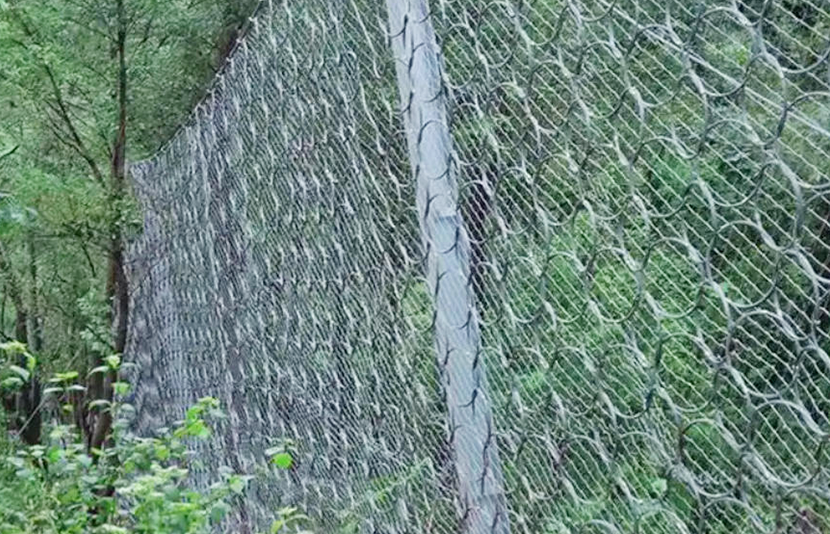
En pocas palabras: no se fija a la ladera de la montaña. En su lugar, se instala una barrera flexible contra desprendimientos de rocas al pie de la pendiente para interceptar las rocas que ya se han desprendido. No puede reforzar la montaña en sí.
Estructura de soporte de la red. La altura estándar suele ser de 2 a 7 metros, con una separación estándar de 10 metros.
Serie RX: Red de Cable de acero con forma de diamante, adecuada para la caída de rocas pequeñas y medianas.
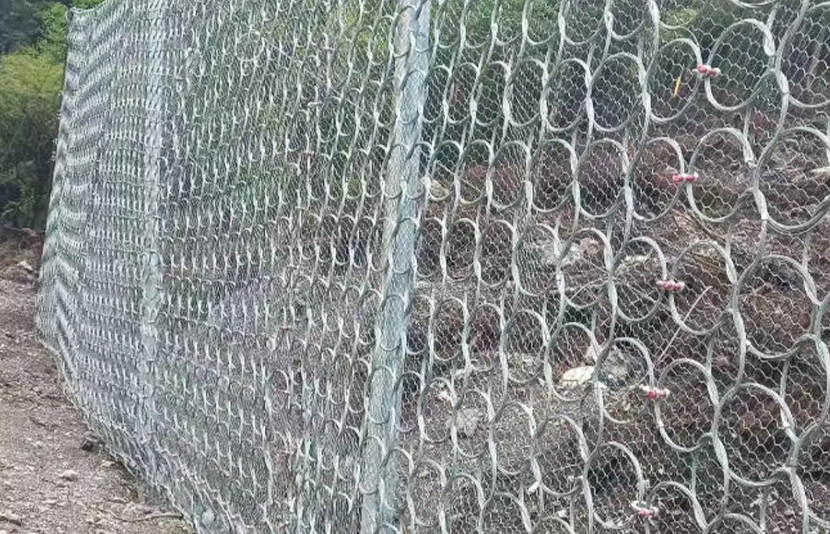
Serie RXI: Red de anillos (anillos circulares entrelazados), con mayor resistencia al impacto, preferida para la protección contra grandes desprendimientos de rocas.
Cables de Acero galvanizado en caliente utilizados para tensar y asegurar todo el sistema.
Cuando las rocas impactan contra el sistema, los anillos se estiran y deforman para absorber la energía del impacto, protegiendo así las columnas de acero de posibles daños.
Fije firmemente las columnas de acero y las cuerdas de anclaje a las capas de roca estables bajo tierra.
Bloquea los fragmentos pequeños e impide que las piedras pequeñas pasen a través de las aberturas de la malla.
Las rocas que caen ruedan ladera abajo y golpean la superficie de la red → la estructura de la red se deforma hacia atrás → los anillos de disipación de energía se estiran y absorben la fuerza del impacto → las rocas quedan atrapadas dentro de la red, protegiendo carreteras, edificios y personas que se encuentran debajo.
La red se deformará tras el impacto. Después de impactos severos, es necesario inspeccionar y reemplazar los componentes dañados.
| Modelo | Capacidad de energía de impacto | Escenarios de aplicación |
|---|---|---|
| RX-025 | 250 kJ | Zonas panorámicas, caminos rurales, pequeñas rocas que se desprenden. |
| RX-050 | 500 kJ | Autopistas, carreteras nacionales, protección de taludes convencional, el modelo más utilizado. |
| RX-075 | 750 kJ | Pendientes pronunciadas, minas, protección contra desprendimientos de rocas de tamaño mediano. |
| RXI-075 | 750 kJ | Estructura de red anular, mejor resistencia al impacto que RX al mismo nivel de energía, reparación más sencilla. |
| RXI-100 | 1000 kJ | Vías férreas, entradas de túneles, zonas rocosas inestables, protección contra grandes desprendimientos de rocas. |
| RXI-150 | 1500 kJ | Pendientes de alto riesgo y peligrosas, protección contra derrumbes de rocas a gran escala |
RX: Red de cables de acero con forma de diamante;
RXI: Red de anillos con mayor resistencia al impacto. Los daños localizados solo requieren la sustitución de anillos individuales, lo que facilita el mantenimiento, pero a un coste mayor.
Interceptar la caída de rocas y los pequeños derrumbes en las montañas, protegiendo carreteras, vías férreas, entradas de túneles, zonas residenciales y parajes naturales.
Utilizadas como sistema de protección secundario: Las redes de protección activa de taludes se instalan en la superficie del talud, mientras que las redes de protección pasiva se instalan en la base del talud para una doble protección.
Protección contra desprendimientos de rocas en zonas mineras, proyectos de conservación de agua y proyectos de estabilización de taludes.
• Estructura de amortiguación flexible con alta resistencia al impacto, adecuada para terrenos montañosos complejos.
• No se requiere excavación a gran escala de la montaña. Instalación rápida; todo el sistema cuenta con protección anticorrosión mediante galvanizado en caliente, con una vida útil de 30 a 50 años.
• Los componentes dañados localmente pueden sustituirse individualmente sin necesidad de desmontar todo el sistema.
· No puede reforzar el macizo montañoso ni prevenir deslizamientos de tierra; solo intercepta las rocas que ya se han desprendido.
• Requiere suficiente espacio para su instalación en la base de la pendiente; se produce deformación tras el impacto, lo que exige inspección y mantenimiento periódicos.
· Red de protección activa: Instalada en la superficie de la pendiente, fijada con pernos de anclaje, evita la caída de rocas y controla las rocas inestables en la pendiente.
· Red de protección pasiva: Instalada en la base de la pendiente, consta de columnas de acero y anillos disipadores de energía, diseñados para atrapar las rocas que ya se han deslizado.
Experiencia en ingeniería:
En taludes con muchas rocas inestables, a menudo se utilizan conjuntamente sistemas de protección activos y pasivos para una protección integral.
En Henan Suxiang Steel Cable Co., Ltd., nos especializamos en el desarrollo y la fabricación de cables y alambres de acero de alto rendimiento que resuelven desafíos de ingeniería reales. Nuestra red pasiva de estabilización de taludes es una de nuestras soluciones especializadas de protección geotécnica, diseñada para controlar la caída de rocas, proteger la infraestructura y mejorar la seguridad en áreas con taludes inestables.
A diferencia de los sistemas activos de protección de taludes que cubren y refuerzan directamente la superficie de la montaña, nuestra red pasiva de estabilización de taludes funciona como una barrera de intercepción flexible. Se instala en zonas donde pueden producirse desprendimientos de rocas y crea una zona de protección para detener o ralentizar el movimiento de las piedras antes de que alcancen carreteras, edificios, vías férreas o zonas de trabajo.
Con años de experiencia en tecnología de Alambre de acero, materiales resistentes a la corrosión y soluciones de cable personalizadas, comprendemos que cada proyecto de protección de taludes tiene requisitos diferentes. El tamaño de la roca, la energía del impacto, las condiciones del terreno, el clima y la ubicación de la instalación influyen en el diseño final de la protección. Por ello, ofrecemos soluciones flexibles basadas en las necesidades específicas de cada aplicación.
Nuestros sistemas de redes de protección pasiva contra desprendimientos de rocas combinan cables de acero de alta resistencia, estructuras de soporte, componentes de absorción de energía y métodos de instalación profesionales. Se utilizan ampliamente en carreteras de montaña, zonas mineras, proyectos de protección ferroviaria, obras de construcción y otros lugares con riesgo de desprendimientos de rocas.
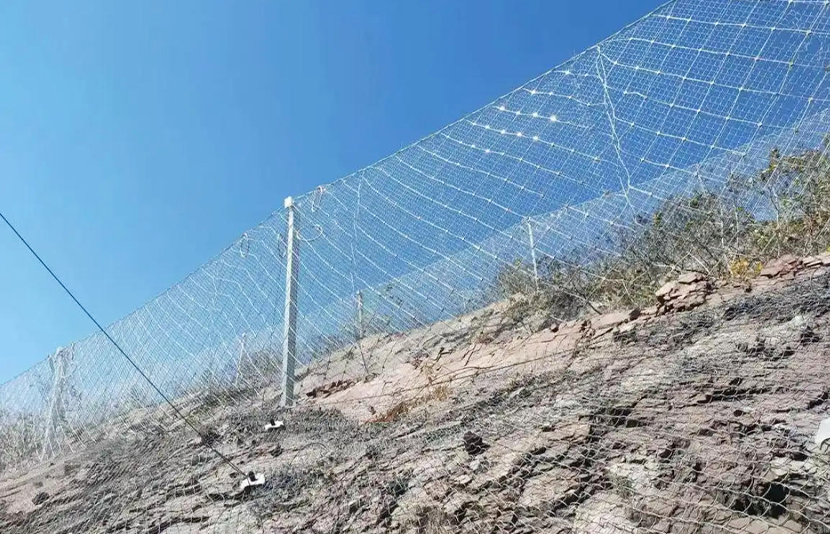
La red de estabilización pasiva de taludes es un sistema de protección que evita que la caída de rocas y escombros cause daños a personas, vehículos, equipos e infraestructura. El sistema no pretende mantener unida toda la montaña, sino que actúa como una sólida barrera protectora que atrapa y controla los materiales que caen tras desprenderse de la ladera.
La estructura principal suele incluir cables de acero de alta resistencia, postes de acero, sistemas de anclaje, cables de soporte, dispositivos de absorción de energía y paneles de malla flexible. Cuando una roca cae e impacta contra la red, el sistema distribuye la fuerza del impacto por toda la estructura, reduciendo la energía y evitando daños a gran escala.
Nuestra empresa fabrica alambres y cables de acero resistentes a la corrosión que proporcionan la resistencia fundamental a estos sistemas de protección. Mediante un estricto control de producción, garantizamos un rendimiento mecánico estable, una excelente resistencia a la tracción y una larga vida útil en exteriores.
| Elemento de comparación | Red de estabilización pasiva de taludes | Sistema de protección activa de taludes |
|---|---|---|
| Función principal | Intercepta la caída de rocas después de que se produce el movimiento. | Refuerza y estabiliza las superficies de las pendientes. |
| Posición de instalación | Generalmente se instala en la parte inferior de las pendientes o en zonas de peligro. | Instalado directamente sobre la superficie de la pendiente. |
| Aplicación principal | Control de desprendimientos de rocas y protección de seguridad | Refuerzo de taludes y prevención de la erosión |
| Requisitos de mantenimiento | Inspección sencilla y sustitución de componentes. | Requiere un monitoreo regular del estado de la pendiente. |
Fuente: Comparación basada en prácticas generales de ingeniería, normas de diseño de protección geotécnica y experiencia de aplicación en la industria.
El principio de funcionamiento de nuestra red pasiva de estabilización de taludes es sencillo pero muy eficaz. Cuando se desprenden rocas inestables de una montaña o ladera, el sistema de protección absorbe y distribuye la energía del impacto gracias a su estructura flexible.
En primer lugar, los postes de acero y los anclajes de cimentación proporcionan una estructura de soporte estable. Estos componentes transfieren la carga al suelo y mantienen el sistema en pie durante el impacto. En segundo lugar, la malla de Cable de acero de alta resistencia atrapa las rocas que caen e impide que se desplacen.
Durante un desprendimiento de rocas, la malla flexible no se limita a bloquear la roca con una fuerza rígida. En cambio, funciona en conjunto con dispositivos de absorción de energía para ralentizar el movimiento gradualmente. Este diseño reduce la presión del impacto repentino y mejora la seguridad general.
Gracias a este método de trabajo flexible, los sistemas de redes de estabilización pasiva de taludes pueden soportar diferentes tipos de impactos. Desde pequeñas piedras que caen hasta grandes bloques de roca, el sistema se puede diseñar según los niveles de energía de protección requeridos.
Paso 1: Las rocas que caen se mueven hacia abajo desde zonas de pendiente inestable.
Paso 2: La roca entra en contacto con la estructura de malla protectora.
Paso 3: Los cables de acero y los absorbedores de energía distribuyen las fuerzas de impacto.
Paso 4: El sistema reduce la velocidad y detiene el objeto que cae de forma segura.
Paso 5: Los equipos de mantenimiento retiran los materiales recogidos e inspeccionan los componentes.
El rendimiento de una red de estabilización pasiva de taludes depende en gran medida de la calidad de sus componentes de alambre y cable de acero. Una estructura de alambre débil puede fallar ante impactos repetidos, corrosión o condiciones climáticas adversas.
En Henan Suxiang Steel Cable Co., Ltd., prestamos mucha atención a cada etapa de la producción. Desde la selección de las materias primas hasta el trefilado, el tratamiento de la superficie, el trenzado del cable y la inspección final, cada proceso se controla de acuerdo con estrictos requisitos de calidad.
Nuestra tecnología de alambre de acero resistente a la corrosión mejora la durabilidad del producto en exteriores. Ya sea que el proyecto se ubique en montañas lluviosas, zonas costeras, regiones mineras o climas fríos, nuestros productos están diseñados para brindar un rendimiento confiable.
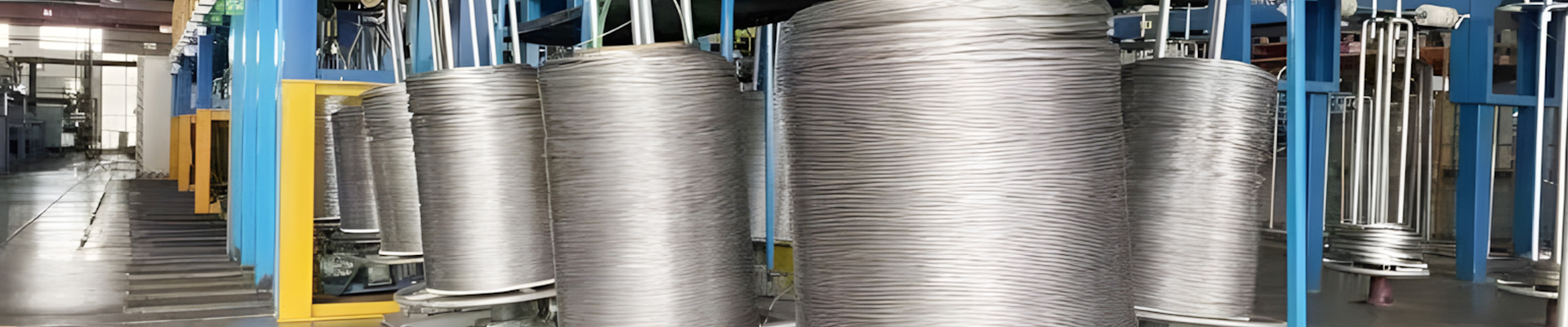
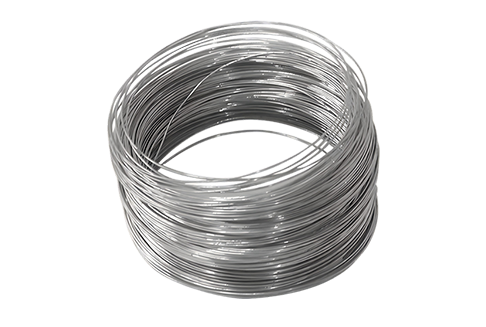
Somos una empresa de alta tecnología reconocida, con amplia experiencia en la investigación, producción y desarrollo técnico de cables y alambres de acero. Poseemos múltiples patentes tecnológicas, incluyendo una patente de invención, y participamos en el desarrollo del estándar del grupo para "Cable de acero flexible, ultrarresistente al desgaste y de alta tensión".
Esta base técnica nos permite comprender mejor los requisitos de los proyectos de protección de taludes. No solo suministramos productos de alambre de acero; ofrecemos soluciones integrales de materiales según las necesidades del cliente, incluyendo la selección de productos, la comunicación técnica, el control de calidad y el soporte de suministro.
Al diseñar y fabricar una red de estabilización pasiva de taludes, nuestro objetivo no es solo proporcionar una barrera protectora básica. Nos centramos en crear un sistema fiable que funcione en entornos exteriores difíciles durante muchos años. Un sistema de protección contra desprendimientos de rocas de alta calidad debe soportar impactos, resistir la corrosión y mantener un rendimiento estable ante las variaciones climáticas.
Basándonos en nuestra experiencia en la fabricación de cables y alambres de acero, seleccionamos los materiales y métodos de producción adecuados para garantizar que cada componente cumpla con los requisitos de ingeniería. Nuestras soluciones de redes de estabilización pasiva de taludes están diseñadas para su uso práctico en zonas montañosas, proyectos de transporte, operaciones mineras y otros lugares de alto riesgo.
Un sistema típico de protección pasiva contra desprendimientos de rocas incluye postes de acero, malla de cable de acero, cables de soporte, componentes de anclaje y dispositivos de absorción de energía. Estas partes trabajan en conjunto para crear una estructura de seguridad flexible. El sistema absorbe la energía del impacto mediante una deformación controlada, en lugar de depender únicamente de la resistencia rígida. Este principio de diseño ayuda a mejorar la eficacia de la protección y a reducir los daños estructurales.
El rendimiento fundamental de una red pasiva de estabilización de taludes depende de la resistencia del alambre y el cable de acero. Utilizamos materiales de acero de alta calidad y tecnología avanzada de procesamiento de alambre para producir productos con excelente resistencia a la tracción y flexibilidad.
Nuestros cables de acero se fabrican mediante procesos controlados de trefilado y torsión. Estos procesos mejoran la uniformidad del alambre y la estabilidad mecánica, lo que permite que el producto final mantenga un rendimiento fiable incluso bajo cargas pesadas y esfuerzos repetidos.
En aplicaciones de protección contra desprendimientos de rocas, la alta resistencia a la tracción permite que el sistema soporte mejor las fuerzas de impacto repentinas provocadas por la caída de rocas. La estructura flexible también ayuda a distribuir la carga entre varios componentes, en lugar de concentrar la fuerza en un solo punto.
Los sistemas de protección de taludes se instalan normalmente al aire libre y están expuestos a la lluvia, la luz solar, la humedad y los cambios de temperatura. Sin una protección adecuada contra la corrosión, los productos de acero pueden perder eficacia con el tiempo.
Para solucionar este problema, ofrecemos soluciones de cables y alambres de acero resistentes a la corrosión con opciones de tratamiento superficial adecuadas. Nuestro proceso de producción incluye un estricto control de la selección de materiales y la protección de la superficie para mejorar la durabilidad en entornos adversos.
Ya sea que se utilicen en carreteras de montaña, zonas mineras, proyectos de protección ferroviaria o entornos costeros, nuestros productos están diseñados para brindar un rendimiento de servicio a largo plazo.
Una ventaja importante de los sistemas de redes de estabilización pasiva de taludes es su capacidad para absorber y reducir la energía del impacto. Cuando una roca que cae golpea la red, la malla flexible, los cables de soporte y los componentes de disipación de energía trabajan en conjunto.
El sistema frena gradualmente el movimiento de las rocas y mantiene el material que cae dentro del área de protección. Esto reduce el riesgo de daños a carreteras, edificios, vehículos y equipos.
Los estudios de ingeniería sobre redes de protección pasiva muestran que factores como el tamaño de la roca, la energía del impacto y la estructura de la red influyen en el rendimiento de la protección. Un sistema diseñado adecuadamente puede mejorar la resistencia al impacto al aumentar la distancia de deformación y la capacidad de absorción de energía. :contentReference[oaicite:1]{index=1}
Cada proyecto de protección de taludes tiene condiciones diferentes. Una carretera de montaña en una zona lluviosa puede requerir un nivel de protección distinto al de una mina o un proyecto ferroviario.
Ofrecemos soluciones personalizadas de redes de estabilización pasiva de taludes según:
Requisitos energéticos por desprendimiento de rocas
Altura de la pendiente y condiciones del terreno
Tamaño de la roca y velocidad de caída
Condiciones de corrosión ambiental
Espacio de instalación y cronograma del proyecto
Especificaciones técnicas del cliente
Nuestro equipo de ingeniería puede ayudar a los clientes con la selección de productos, la comunicación técnica y las soluciones de suministro personalizadas para lograr resultados de proyectos más seguros y eficientes.
Elegir el sistema de protección de taludes adecuado requiere más que fijarse en la apariencia del producto. El verdadero valor reside en la calidad del material, la tecnología de fabricación, la vida útil y la fiabilidad del proveedor.
| Elemento técnico | Nuestra solución | Beneficio para el cliente |
|---|---|---|
| Material de acero | Alambre de acero de alta resistencia y resistente a la corrosión | Mayor durabilidad y capacidad de carga. |
| Proceso de fabricación | Trefilado, torsión e inspección de alambre de precisión | Calidad estable del producto |
| Rendimiento de protección | Estructura flexible de absorción de impactos | Mayor capacidad de control de desprendimientos de rocas |
| Personalización | Especificaciones flexibles y soporte técnico | Adecuado para diferentes condiciones de proyecto |
Fuente: Las características técnicas se resumen a partir de nuestras capacidades de fabricación y los requisitos generales de ingeniería para sistemas de protección contra desprendimientos de rocas.
En Henan Suxiang Steel Cable Co., Ltd., creemos que la calidad del producto comienza en el proceso de fabricación. Cada cable y alambre de acero pasa por etapas de producción controladas antes de su entrega.
Seleccionamos cuidadosamente las materias primas de acero según los requisitos de rendimiento del producto. Las materias primas de alta calidad constituyen la base de la resistencia a la tracción, la flexibilidad y la resistencia a la corrosión.
Durante el proceso de trefilado, los materiales de acero se procesan para obtener los diámetros requeridos, mejorando la calidad de la superficie y las propiedades mecánicas. Un control preciso ayuda a mantener un rendimiento uniforme del alambre entre los diferentes lotes de producción.
El tratamiento superficial desempeña un papel importante en la mejora de la resistencia a la corrosión. Aplicamos métodos de protección adecuados según los requisitos del cliente y el entorno de aplicación.
Los alambres de acero se retuercen según estructuras específicas para crear cables con la resistencia y flexibilidad requeridas. El proceso de torsión afecta directamente la estabilidad del producto y su rendimiento.
Antes del envío, realizamos inspecciones que abarcan la apariencia, las dimensiones, el rendimiento mecánico y otros requisitos técnicos. Este proceso de control de calidad ayuda a garantizar que los productos cumplan con las expectativas del cliente.
Henan Suxiang Steel Cable Co., Ltd. se especializa en la investigación, producción y suministro de cables de acero, alambres de acero, alambres de acero fosfatado, cables de acero galvanizado, alambres de acero para muelles, cuerdas de cáñamo, cuerdas de plástico y cuerdas de hilo.
Hemos desarrollado capacidades tecnológicas profesionales en la fabricación de alambre y cable de acero. La empresa posee 10 patentes tecnológicas, incluyendo una patente de invención, y participó en el desarrollo del estándar del grupo "Cable de acero flexible, ultrarresistente al desgaste y de alta tensión".
Gracias a la colaboración con el Instituto Vocacional de Materiales Avanzados de Jiaozuo, seguimos mejorando la tecnología de materiales y los métodos de producción. Esta combinación de experiencia industrial e investigación técnica nos permite ofrecer soluciones fiables para diversas aplicaciones de ingeniería.
| Etapa de producción | Controlar el enfoque | Objetivo |
|---|---|---|
| Inspección de materiales | Calidad del acero y propiedades químicas | Garantizar materias primas fiables |
| Procesamiento de producción | Diámetro del alambre, resistencia, estructura | Mantener la consistencia del producto |
| Tratamiento de superficies | Calidad del recubrimiento y protección contra la corrosión | Mejorar la vida útil |
| Inspección final | Comprobación del rendimiento y la apariencia | Garantizar la calidad de la entrega |
Fuente: Proceso de control de calidad basado en las prácticas de gestión de producción de Henan Suxiang Steel Cable Co., Ltd.
Nuestra red pasiva de estabilización de taludes está diseñada para proyectos donde los desprendimientos de rocas y los riesgos relacionados con los taludes pueden afectar la seguridad, el transporte y las actividades de construcción. Gracias a su estructura flexible, alta resistencia y excelente durabilidad, nuestros productos son adecuados para numerosas industrias que requieren soluciones fiables de protección de taludes.
Cada sector industrial se enfrenta a desafíos distintos. Las carreteras de montaña necesitan protección contra la caída de rocas provocada por los cambios climáticos. Las zonas mineras requieren sistemas de seguridad para proteger a los trabajadores y los equipos. Los proyectos ferroviarios exigen una protección estable para evitar interrupciones en el servicio. Nuestros sistemas pasivos de protección contra desprendimientos de rocas se pueden personalizar según las necesidades de cada entorno laboral.
La construcción de carreteras en zonas montañosas suele conllevar riesgos de desprendimiento de rocas. Las fuertes lluvias, los ciclos de congelación y descongelación, y la erosión natural pueden debilitar las estructuras rocosas y provocar la caída de piedras inestables.
Nuestra red pasiva de estabilización de taludes ofrece una solución eficaz al crear una barrera de seguridad entre taludes inestables y zonas de tráfico. Ayuda a reducir los riesgos para vehículos y pasajeros, a la vez que mejora la seguridad vial a largo plazo.
Para proyectos de carreteras, podemos ofrecer soluciones personalizadas basadas en la altura de la pendiente, la distancia de protección, la energía de impacto prevista y las condiciones ambientales.
Los sistemas ferroviarios requieren estándares de seguridad extremadamente altos, ya que la caída de rocas puede afectar la operación de los trenes y la seguridad de los pasajeros. La instalación de un sistema confiable de redes de protección contra desprendimientos de rocas cerca de las vías férreas ayuda a reducir los riesgos imprevistos.
Nuestros componentes de cable de acero de alta resistencia proporcionan un soporte estable para aplicaciones de protección de taludes ferroviarios. Su estructura flexible permite que el sistema absorba la energía del impacto, manteniendo un rendimiento fiable incluso tras una exposición prolongada al aire libre.
Las zonas mineras suelen incluir pendientes pronunciadas, zonas de voladura y condiciones geológicas complejas. El movimiento de las rocas puede generar riesgos para la seguridad de los trabajadores, la maquinaria y las áreas de producción.
Nuestras soluciones de redes de protección pasiva contra desprendimientos de rocas son ideales para entornos mineros donde se requiere una alta resistencia al impacto y durabilidad. El sistema se puede instalar alrededor de zonas peligrosas para reducir el riesgo de que las rocas caigan a las zonas de trabajo.
Las centrales hidroeléctricas, los parques eólicos y otras instalaciones energéticas suelen ubicarse en regiones montañosas. Estos proyectos requieren protección a largo plazo, ya que el acceso para el mantenimiento puede resultar difícil una vez construidas.
Mediante el uso de cables de acero resistentes a la corrosión y estructuras de protección duraderas, nuestra red de estabilización pasiva de taludes ayuda a mejorar la seguridad del proyecto y a reducir la presión del mantenimiento futuro.
Durante grandes proyectos de construcción, puede ser necesario instalar protección temporal o permanente para taludes con el fin de proteger a los trabajadores y los equipos. Nuestros sistemas pueden utilizarse en zonas de excavación, cimentaciones y obras en laderas.
Brindamos apoyo a nuestros clientes mediante la comunicación técnica y la selección de productos según los requisitos del proyecto, ayudándoles a elegir el cable de acero y las soluciones de protección más adecuadas.
Cuando los clientes eligen un proveedor de redes de estabilización pasiva de taludes, la calidad del producto es solo una parte de la decisión. Un proveedor confiable también debe brindar soporte técnico, capacidad de producción estable, control de calidad y una relación de cooperación a largo plazo.
En Henan Suxiang Steel Cable Co., Ltd., nos especializamos en la creación de soluciones confiables de cables y alambres de acero. Nuestra experiencia en materiales resistentes a la corrosión y tecnología de alambre de acero especial nos permite brindar a nuestros clientes productos profesionales para entornos exigentes.
Nos especializamos en la investigación, producción y venta de cables de acero, alambres de acero, cables de acero galvanizado, alambres de acero fosfatado, alambres de acero para muelles y productos de alambre de acero personalizados.
Nuestro conocimiento en fabricación abarca la selección de materiales, el procesamiento de alambres, el tratamiento de superficies, la producción de cables, la inspección y la gestión de la cadena de suministro. Esta capacidad de producción integral nos permite controlar mejor la calidad del producto y garantizar un suministro estable para proyectos de ingeniería.
Invertimos continuamente en la mejora tecnológica y el desarrollo de productos. La empresa posee 10 patentes tecnológicas, incluida una patente de invención, y ha participado en el desarrollo del estándar del sector «Cable de acero de alta resistencia, ultrarresistente y flexible».
Mediante la colaboración con el Instituto Vocacional de Materiales Avanzados de Jiaozuo, hemos establecido un sistema de investigación industria-academia para mejorar el rendimiento de los materiales y la tecnología de fabricación.
Controlamos la calidad durante todo el proceso de producción. Inspeccionamos las materias primas, supervisamos los procedimientos de fabricación, verificamos el rendimiento del producto y nos aseguramos de que cumpla con los requisitos del cliente antes del envío.
Para aplicaciones de redes de estabilización pasiva de taludes, un rendimiento mecánico estable es fundamental. Nuestro sistema de gestión de calidad ayuda a garantizar que los productos de alambre y cable de acero mantengan una resistencia, flexibilidad y durabilidad fiables.
Cada proyecto requiere soluciones de protección diferentes. Ofrecemos recomendaciones personalizadas basadas en:
Resistencia a la tracción requerida
Estructura y diámetro del cable de acero
Requisitos de protección contra la corrosión
Condiciones ambientales
Cantidad del proyecto y cronograma de entrega
Requisitos especiales de ingeniería
Tanto si los clientes necesitan productos de alambre de acero estándar como soluciones de cableado especiales, podemos ofrecerles asistencia profesional desde la selección del producto hasta la entrega final.
| Factor de selección | Ventaja de Henan Suxiang |
|---|---|
| Gama de productos | Cables de acero, alambres galvanizados, productos especiales de alambre de acero |
| Tecnología | Tecnología patentada y capacidad de investigación profesional. |
| Control de calidad | Inspección de todo el proceso, desde las materias primas hasta los productos terminados. |
| Personalización | Soluciones flexibles para diferentes aplicaciones de ingeniería. |
| Soporte de suministro | Producción estable y planificación de entregas personalizadas |
Fuente: Información sobre las capacidades de la empresa proporcionada por Henan Suxiang Steel Cable Co., Ltd.
Una red pasiva de estabilización de taludes se utiliza principalmente para interceptar y controlar la caída de rocas, protegiendo carreteras, edificios, equipos y personas de los peligros que conllevan los desprendimientos. Funciona como un sistema de barrera flexible instalado en zonas peligrosas.
El sistema suele utilizar cables de acero de alta resistencia, malla de acero, cables de soporte, anclajes y componentes de absorción de energía. La selección de materiales depende del nivel de protección requerido y de las condiciones ambientales.
La vida útil depende de factores como la calidad del material, las condiciones de corrosión, el entorno de instalación y el mantenimiento. El uso de productos de alambre de acero resistentes a la corrosión puede mejorar significativamente la durabilidad en aplicaciones exteriores.
Sí. Podemos personalizar las soluciones de cables y alambres de acero según los requisitos del proyecto, incluyendo dimensiones, requisitos de resistencia, tratamiento superficial y planes de suministro.
Combinamos experiencia en fabricación, capacidad de desarrollo técnico, gestión de calidad y servicios de suministro flexibles. Nuestro objetivo es proporcionar productos de alambre y cable de acero fiables que ayuden a nuestros clientes a completar proyectos de ingeniería más seguros y eficientes.
En Henan Suxiang Steel Cable Co., Ltd., nos comprometemos a ofrecer productos de alambre y cable de acero de alto rendimiento a clientes de todo el mundo. Nuestras soluciones de redes pasivas de estabilización de taludes combinan materiales resistentes, fabricación profesional y experiencia práctica en ingeniería.
Si busca un proveedor fiable de sistemas de redes de protección pasiva contra desprendimientos de rocas, soluciones de cables de acero para la estabilización de taludes o productos de cable de acero personalizados, estamos preparados para apoyar su proyecto con un servicio profesional y una capacidad de suministro estable.

 Teléfono fijo: +86-513-85100011
Teléfono: +86 13585223056
 Correo electrónico:hangtong@nthangtong.com
vicky@nthangtong.com
 Dirección: No. 508, Guangxing Road, ciudad de Baishan, condado de Bo'ai, ciudad de Jiaozuo, provincia de Henan
Copyright © Henan Suxiang Steel Cable Co., Ltd
Este sitio web utiliza cookies para garantizar que obtenga la mejor experiencia en nuestro sitio web.
 English
 한국어
한국어 العربية
 Tiếng Việt
 Filipino



 Teléfono