

Alambre de acero aleado

El alambre de acero aleado es un producto de alambre metálico fabricado a partir de varillas de alambre de acero aleado mediante múltiples procesos, que incluyen trefilado en frío, recocido, temple y revenido.
A diferencia del alambre de acero al carbono común, el alambre de acero aleado se produce mediante la adición intencional de elementos de aleación como cromo (Cr), manganeso (Mn), vanadio (V), molibdeno (Mo), níquel (Ni) y silicio (Si) al material base de hierro-carbono, lo que mejora la resistencia, la durabilidad, la resistencia al desgaste, la resistencia a la corrosión y el rendimiento a altas temperaturas.
Los materiales comunes incluyen:
Alambre de acero aleado 40Cr
Alambre de acero aleado 42CrMo
Alambre de acero para muelles 65Mn
Alambre de acero para muelles Cr-V
Incluye:
Alambre de acero inoxidable
Alambre de aleación de níquel de alta temperatura
Alambre de acero portador
Alambre de acero portador
Alambre de acero para conformado en frío
Alambre de acero para herramientas
Alambre de soldadura de aleación
Alambre de aleación de alta temperatura
2. Ventajas principales del rendimiento
La adición de elementos de aleación como el manganeso, el cromo y el molibdeno mejora significativamente la resistencia del acero.
La resistencia a la tracción puede alcanzar los 800–2000 MPa.
El alambre de acero al carbono ordinario suele tener un rango de 370 a 600 MPa.
Con el mismo diámetro, el alambre de acero aleado ofrece una mayor capacidad de carga, un mejor rendimiento a la tracción y una mayor resistencia al estiramiento y a la rotura.
Elementos como el vanadio y el cromo refinan la estructura interna del grano del acero, mejorando su resistencia a la fatiga.
El alambre puede soportar cargas y flexiones repetidas sin que se agriete fácilmente, ofreciendo una vida útil a la fatiga de 2 a 5 veces mayor que la del alambre de acero al carbono común.
Adecuado para:
Ballestas
cables de acero
Componentes mecánicos alternativos
El cromo, el tungsteno y el vanadio forman carburos duros que mejoran la dureza de la superficie y la resistencia al desgaste.
Tras el tratamiento térmico, el alambre de acero aleado se puede utilizar para:
Cortar cables
Bolas de acero para cojinetes
Herramientas
Pantallas resistentes al desgaste
Cables de acero para minería
El níquel, el molibdeno y el cromo mejoran la estabilidad térmica, lo que permite que el alambre mantenga su resistencia en condiciones de alta temperatura.
En comparación con el alambre de acero al carbono, el alambre de acero aleado tiene menos probabilidades de ablandarse o deformarse a temperaturas elevadas.
Las aplicaciones incluyen:
Componentes del motor
hornos de tratamiento térmico
Muelles de alta temperatura
Alambres de relleno para soldadura
Los alambres de acero inoxidable de alta aleación contienen cromo, que forma una densa película protectora de óxido en la superficie.
Proporcionan una excelente resistencia contra:
Agua
Humedad
Ambientes ácidos y alcalinos
corrosión marina
Adecuado para aplicaciones químicas, marinas y al aire libre.
La composición adecuada de la aleación equilibra la resistencia y la ductilidad.
El alambre de acero aleado puede ser:
Cabeza fría
Doblado
Tejido
Estirado hasta obtener diámetros más finos
Mantiene la resistencia al impacto y reduce el riesgo de rotura repentina en comparación con el alambre de acero con alto contenido de carbono.
Pequeñas cantidades de cromo y manganeso mejoran la templabilidad, lo que permite que el alambre de acero alcance una dureza uniforme en toda su sección transversal.
Esto garantiza:
Propiedades mecánicas consistentes
Rendimiento estable del producto
Vida útil confiable
3. Principales Aplicaciones del alambre de acero aleado
Materiales:
Alambre de acero para muelles Cr-V
Alambre de acero para muelles 65Mn
Aplicaciones:
muelles de suspensión para automóviles
Muelles de válvula
Muelles amortiguadores mecánicos
Muelles de instrumentos de precisión
Ventajas:
Alta elasticidad
Excelente resistencia a la fatiga
Rendimiento de compresión y recuperación a largo plazo
Aplicaciones:
Pernos de alta resistencia
Remaches
Patas
Elementos de fijación para maquinaria de ingeniería
Ventajas:
Excelente rendimiento en frío
Alta capacidad de carga
Fuerte resistencia al impacto
Utilizado en:
industria automotriz
Equipos de energía eólica
Maquinaria pesada
Material:
Alambre de acero para rodamientos GCr15
Aplicaciones:
Bolas de rodamiento
Rodillos
manguitos de precisión
Ventajas:
Alta dureza
Excelente resistencia al desgaste
Resistencia superior a la fatiga por contacto
Utilizado en:
Máquinas herramienta
Motores
Cajas de cambios
El alambre de acero al manganeso de baja aleación se utiliza para:
cables de acero
Cables de elevación para minería
Armadura de cable de alta tensión
Eslingas de elevación
Ventajas:
Alta fuerza de tracción
Resistencia al desgaste
Baja elongación
Aplicaciones:
Equipos de minería
grúas torre
Teleféricos
El alambre de corte de aleación con alto contenido de carbono se utiliza para:
Corte de obleas de silicio solar
Tallado de zafiro
Corte de cuarzo con múltiples hilos
Ventajas:
Alta resistencia a la tracción
Excelente resistencia al desgaste
Alta precisión dimensional
Los alambres de soldadura de aleación se utilizan para soldar:
Acero aleado
Acero inoxidable
Acero resistente al calor
Aplicaciones:
Recipientes a presión
oleoductos
Equipos industriales
Ventajas:
Mayor resistencia de la soldadura
Resistencia a la corrosión
Resistencia a altas temperaturas
El alambre de acero aleado inoxidable se utiliza para:
Filtros químicos
redes de acuicultura marina
Equipos médicos
Malla de protección exterior
Componentes del barco
Ventajas:
Resistencia a la corrosión
Resistencia a ácidos y álcalis
El alambre de aleación a base de níquel se utiliza para:
muelles de motor de avión
Componentes de turbinas de gas
cables calefactores para hornos de tratamiento térmico
Ventajas:
Mantiene su resistencia por encima de los 800 ℃
Excelente resistencia a la fluencia
Resistencia a la oxidación
Aplicaciones:
Cepillos resistentes al desgaste
Malla de cribado
piezas en bruto para herramientas
Revestimientos para componentes hidráulicos
Ventajas:
Resiste la fricción continua de arena, piedra y materiales.
4. Alambre de acero aleado frente a alambre de acero al carbono ordinario
| Actuación | Alambre de acero aleado | Alambre de acero al carbono |
|---|---|---|
| Fortaleza | Alta, 800–2000 MPa | Inferior, 370–600 MPa |
| Vida de fatiga | Excelente, resistente a la flexión repetida. | Limitado, propenso a agrietarse bajo tensión prolongada |
| Resistencia al desgaste y al calor | Excelente | En general, se ablanda a altas temperaturas. |
| Resistencia a la corrosión | Excelente para grados de alta aleación | Se oxida fácilmente |
| Costo | Mayor debido a los materiales de aleación y al tratamiento térmico. | Más bajo |
| Aplicaciones | Carga pesada, alta temperatura, corrosión, componentes de precisión | Encuadernación general, aplicaciones de baja carga, cercado sencillo. |
En Henan Suxiang Steel Cable Co., Ltd., nos especializamos en el desarrollo y la fabricación de alambres metálicos de alto rendimiento para entornos industriales exigentes. Nuestro Alambre de acero aleado está diseñado para ofrecer una excelente resistencia, durabilidad y un rendimiento estable en aplicaciones donde el alambre de acero al carbono convencional no cumple con los requisitos.
Con años de experiencia en la producción de alambre de acero, entendemos que las distintas industrias requieren soluciones de alambre diferentes. Un sistema de elevación en la minería, un componente mecánico de precisión, un resorte automotriz o una estructura de ingeniería pesada tienen requisitos distintos en cuanto a resistencia a la tracción, flexibilidad, resistencia a la fatiga y protección contra la corrosión.
Nuestro alambre de acero aleado combina materiales de aleación cuidadosamente seleccionados con tecnología de procesamiento avanzada para lograr propiedades mecánicas equilibradas. Al añadir elementos de aleación como cromo, manganeso, silicio, molibdeno y vanadio, el alambre alcanza mayor resistencia y mejor rendimiento en comparación con el alambre de acero al carbono tradicional.
Como fabricantes profesionales de alambre de acero aleado, ofrecemos productos estándar y soluciones personalizadas según las necesidades del cliente. Disponemos de diferentes diámetros, tratamientos superficiales, niveles de rendimiento mecánico y métodos de embalaje para adaptarnos a diversas aplicaciones industriales.
El alambre de acero aleado es un tipo de alambre de acero fabricado con materiales de aleación. En comparación con el alambre de acero común, el alambre de acero aleado contiene elementos de aleación adicionales que mejoran su rendimiento físico y mecánico.
La estructura básica del alambre de acero aleado incluye hierro y carbono, a los que se añaden elementos de aleación específicos durante su producción. Estos elementos contribuyen a mejorar propiedades importantes como la resistencia a la tracción, la dureza, la resistencia al desgaste, la vida útil a la fatiga y la resistencia a condiciones de trabajo adversas.
En aplicaciones prácticas, el alambre de acero aleado se suele elegir cuando los clientes necesitan materiales más resistentes y fiables. Por ejemplo, los equipos de elevación requieren alambre que pueda soportar cargas repetidas, mientras que la fabricación de muelles exige una excelente elasticidad y resistencia a la fatiga.
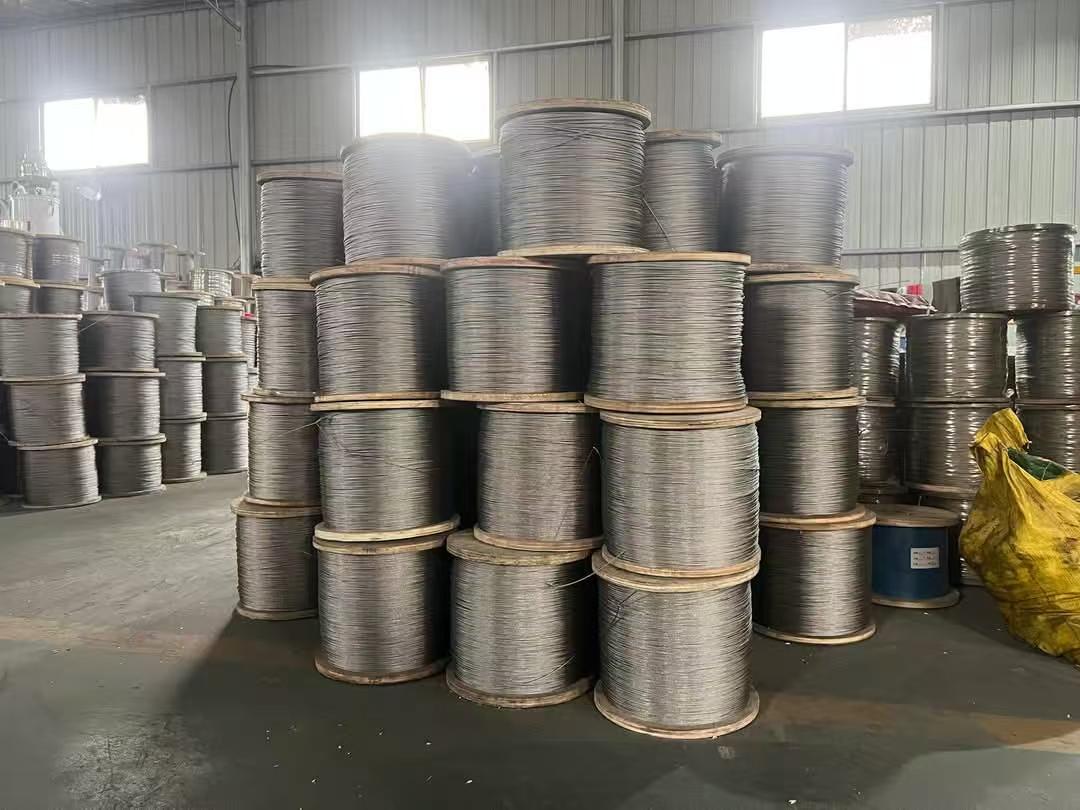
| Propiedad | Alambre de acero al carbono | Alambre de acero aleado | Referencia |
|---|---|---|---|
| Material principal | Hierro + Carbono | Hierro + Carbono + Elementos de aleación | Manual ASM, Volumen 1: Propiedades y selección de metales |
| Resistencia a la tracción | Generalmente medio | Gama de mayor resistencia | Datos del material de acero aleado ASTM A401 / AISI |
| Resistencia al desgaste | Estándar | Rendimiento mejorado | Referencia de ingeniería de materiales de acero |
| Campos de aplicación | Uso industrial general | Aplicaciones de alta carga y precisión | Datos de aplicación industrial |
El rendimiento del Alambre de acero aleado industrial depende de su estructura interna y del proceso de fabricación. Durante la producción, se combinan elementos de aleación con el acero para mejorar la resistencia y la estabilidad del alambre final.
Cuando el alambre se utiliza en equipos industriales, su estructura de aleación le permite soportar fuerzas de tracción repetidas, esfuerzos de flexión, vibraciones y presión mecánica. Esto hace que el alambre de acero aleado sea adecuado para aplicaciones donde la seguridad y la vida útil son importantes.
Por ejemplo, en la Fabricación de cables de acero, el alambre de acero aleado proporciona la capacidad básica de carga del cable. Varios alambres se retuercen entre sí para crear una estructura más resistente que pueda soportar operaciones de elevación, tracción y suspensión.
En la fabricación de resortes, el alambre debe almacenar y liberar energía repetidamente sin deformarse. La composición de la aleación mejora la resistencia a la fatiga, lo que permite que los resortes mantengan un rendimiento estable tras un uso prolongado.
Para las industrias de fabricación de precisión, la exactitud dimensional también es importante. Mediante procesos de trefilado controlados, nuestro alambre de acero aleado estirado en frío permite lograr una tolerancia de diámetro y una calidad superficial uniformes, lo que ayuda a los clientes a mejorar la eficiencia de la producción.
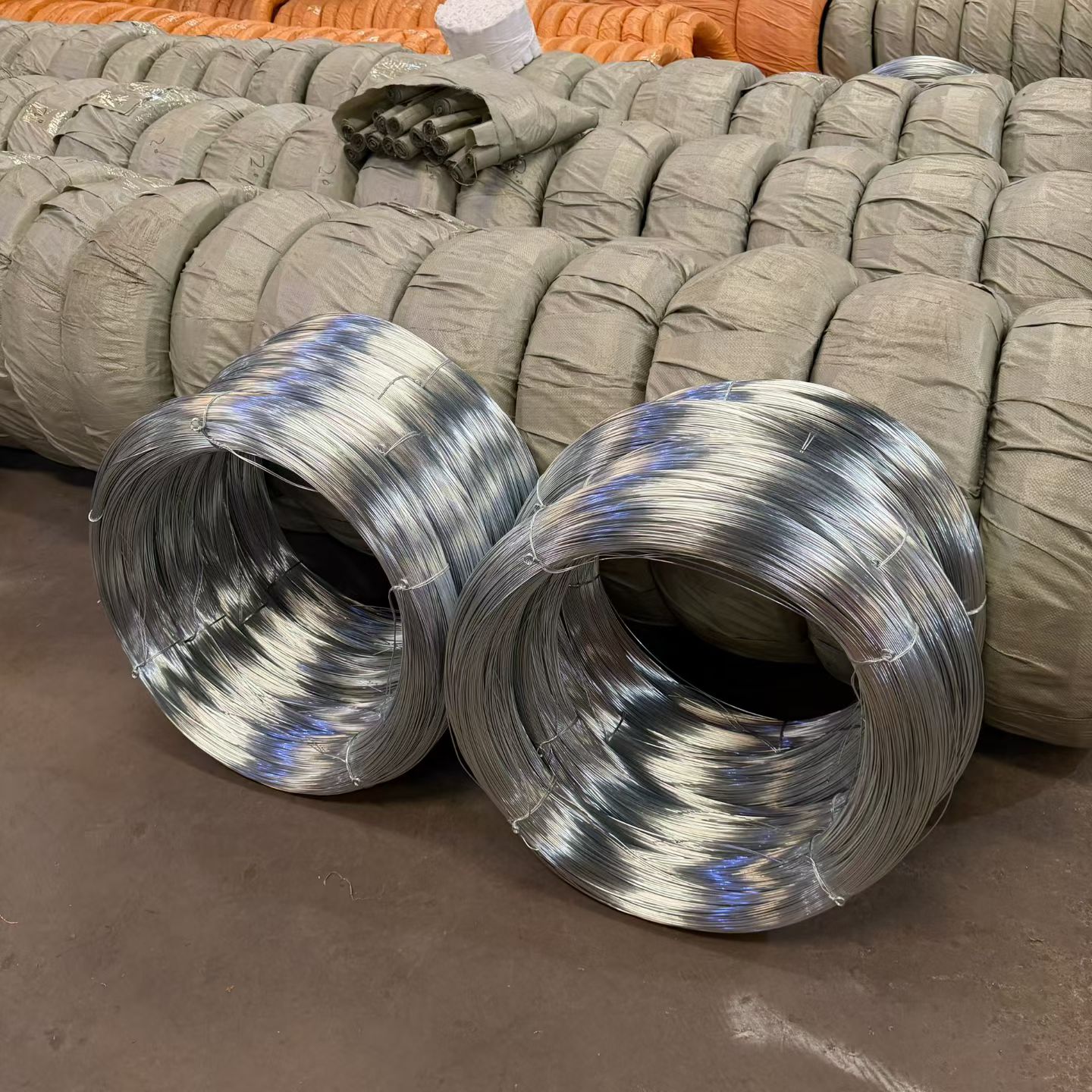
Una de las ventajas más importantes del alambre de acero aleado es su alta resistencia a la tracción. La composición optimizada de la aleación permite que el alambre soporte mayores cargas de trabajo manteniendo la estabilidad estructural.
Esta característica hace que nuestro Alambre de acero aleado de alta resistencia sea adecuado para aplicaciones de servicio pesado, como equipos de elevación, maquinaria de construcción, sistemas de minería y componentes industriales.
Muchos productos de alambre industrial están sometidos a movimientos continuos y esfuerzos repetidos. Si el material no puede soportar estas condiciones, pueden producirse grietas y fallos de rendimiento.
Nuestro alambre de acero aleado se fabrica mediante procesos metalúrgicos controlados para mejorar su resistencia a la fatiga. Esto ayuda a prolongar la vida útil en aplicaciones que implican flexión frecuente, vibración o cargas dinámicas.
En muchos entornos laborales, las superficies de alambre de acero pueden sufrir fricción y contacto mecánico. El alambre de acero aleado ofrece una mayor resistencia al desgaste en comparación con el alambre de acero convencional.
Esta ventaja resulta valiosa en equipos de minería, sistemas de transporte, dispositivos mecánicos y otras industrias donde la durabilidad afecta directamente a los costes de mantenimiento.
Controlamos cada etapa de la producción, incluyendo la inspección de la materia prima, el trefilado, el tratamiento térmico, el procesamiento de la superficie y la inspección final. Esto garantiza que nuestro alambre de acero aleado mantenga un rendimiento estable entre los diferentes lotes de producción.
Para los clientes que compran grandes cantidades, la consistencia del producto es especialmente importante. Una calidad estable ayuda a reducir los ajustes de producción y mejora la fiabilidad del suministro.
En Henan Suxiang Steel Cable Co., Ltd., no solo suministramos productos de alambre de acero. Ofrecemos soluciones integrales de materiales basadas en diferentes requisitos de aplicación.
Nuestro equipo técnico colabora con los clientes para confirmar parámetros clave como el diámetro del alambre, la resistencia a la tracción, el estado de la superficie, el entorno de trabajo y la aplicación final. En función de estos factores, recomendamos las especificaciones adecuadas para el alambre de acero aleado.
Hemos implementado un sistema integral de gestión de la producción que abarca la selección de materiales, el control de la fabricación, la inspección y la gestión de la entrega. Nuestro objetivo es ofrecer productos de alambre confiables que funcionen correctamente en condiciones de trabajo reales.
| Elemento técnico | Rendimiento típico | Valor de la aplicación | Referencia |
|---|---|---|---|
| Tipo de material | Grados de acero aleado | Mayor resistencia y durabilidad | Clasificación de grados de acero AISI |
| Método de procesamiento | Estirado en frío + Tratamiento térmico | Propiedades mecánicas mejoradas | Datos de ingeniería de procesamiento de metales |
| Control de calidad | Inspección de materia prima + Pruebas de producto terminado | Rendimiento estable por lotes | Práctica de gestión de la calidad ISO 9001 |
Cada cliente tiene necesidades diferentes. Un producto estándar no siempre ofrece la mejor solución para un entorno de trabajo específico. Por ello, ofrecemos soluciones personalizadas de alambre de acero aleado basadas en los planos, las especificaciones técnicas y las condiciones de aplicación del cliente.
Nuestro servicio de personalización incluye ajuste de diámetro, selección de materiales, optimización del tratamiento de superficies, control del rendimiento mecánico y diseño de embalajes.
Tanto si necesita alambre de acero aleado para muelles, piezas mecánicas, producción de cables de acero, equipos de ingeniería o aplicaciones industriales especiales, podemos ofrecerle asistencia profesional desde la selección del producto hasta la entrega final.
En Henan Suxiang Steel Cable Co., Ltd., creemos que el rendimiento del producto comienza con un estricto control de fabricación. Nuestro proceso de producción de alambre de acero aleado combina la selección de materiales, el procesamiento de precisión, el tratamiento térmico, la protección de la superficie y la inspección de calidad para garantizar que cada lote cumpla con los requisitos de la aplicación industrial.
El proceso de fabricación no se limita a dar forma al acero para convertirlo en alambre. Cada paso influye en el rendimiento final, incluyendo la resistencia a la tracción, la flexibilidad, la resistencia a la fatiga, la calidad de la superficie y la vida útil. Por ello, gestionamos cada etapa de producción con sumo cuidado para ofrecer soluciones de alambre fiables a clientes de todo el mundo.
El primer paso para producir alambre de acero aleado de alto rendimiento es seleccionar las materias primas adecuadas. Elegimos los materiales de acero aleado según los requisitos del cliente y las condiciones de aplicación.
Los distintos elementos de aleación proporcionan diferentes ventajas en cuanto a rendimiento. El cromo puede mejorar la dureza y la resistencia al desgaste, el manganeso ayuda a mejorar la resistencia mecánica, mientras que el molibdeno y el vanadio pueden mejorar el rendimiento a altas temperaturas y la estabilidad estructural.
Antes de que comience la producción, las materias primas se someten a procedimientos de inspección para verificar su composición química y consistencia. Esto ayuda a garantizar un rendimiento estable durante el procesamiento posterior.
El trefilado es uno de los pasos clave en la producción de alambre de acero aleado. Durante este proceso, el material de acero pasa a través de una serie de matrices para reducir gradualmente su diámetro y mejorar la precisión dimensional.
Nuestro proceso de trefilado controlado ayuda a lograr un diámetro de alambre uniforme, un acabado superficial liso y propiedades mecánicas estables. Para los clientes que requieren componentes de precisión, el alambre de acero aleado trefilado en frío ofrece un control dimensional fiable y un excelente rendimiento de procesamiento.
El tratamiento térmico desempeña un papel importante en el ajuste de la estructura interna del alambre de acero aleado. Mediante procesos controlados de calentamiento y enfriamiento, el alambre puede alcanzar el equilibrio requerido entre resistencia y tenacidad.
Un tratamiento térmico adecuado mejora la resistencia a la deformación, las cargas repetidas y las tensiones mecánicas. Esto hace que el alambre de acero aleado sea idóneo para entornos exigentes como sistemas de elevación, piezas de automoción y maquinaria pesada.

En función de las necesidades del cliente, ofrecemos diferentes opciones de tratamiento superficial para mejorar la resistencia a la corrosión y la vida útil.
Para aplicaciones expuestas a la humedad, productos químicos o ambientes exteriores, la protección de la superficie es especialmente importante. Combinado con la selección adecuada de la aleación, el tratamiento superficial ayuda a reducir la frecuencia de mantenimiento y mejora la fiabilidad a largo plazo.
Antes del envío, cada lote de alambre de acero aleado pasa por procedimientos de inspección. Verificamos factores clave como la apariencia, la tolerancia del diámetro, el rendimiento mecánico y el estado del embalaje.
Nuestro sistema de gestión de calidad sigue estrictos estándares de producción para garantizar que los clientes reciban productos consistentes y fiables.
| Etapa de producción | Propósito principal | Enfoque en la calidad | Referencia |
|---|---|---|---|
| Selección de materiales | Asegúrese de que la composición de la aleación sea la adecuada. | Composición química y estabilidad del material | Normas para materiales de acero (AISI / ASTM) |
| Dibujo en frío | Mejora la precisión del tamaño y la resistencia. | Tolerancia de diámetro y calidad de la superficie | Tecnología de procesamiento de alambre metálico |
| Tratamiento térmico | Optimizar las propiedades mecánicas | Fuerza, tenacidad, resistencia a la fatiga | Manual de tratamiento térmico de ASM |
| Pruebas finales | Confirmar la fiabilidad del producto | consistencia del rendimiento | Sistema de gestión de calidad ISO 9001 |
Gracias a su excelente resistencia, durabilidad y rendimiento estable, el alambre de acero aleado se utiliza ampliamente en diversos sectores industriales. Ofrecemos soluciones a clientes que requieren materiales fiables para diferentes condiciones de trabajo.
En proyectos de construcción, los productos de alambre de acero a menudo deben soportar cargas pesadas y funcionar de forma segura durante largos períodos. El alambre de acero aleado se utiliza en aplicaciones como cables de acero, sistemas de suspensión, equipos de elevación y componentes estructurales.
Su elevada resistencia y durabilidad contribuyen a mejorar la fiabilidad de los equipos, especialmente en proyectos que implican un funcionamiento continuo.
Los entornos mineros suelen implicar cargas pesadas, polvo, vibraciones y condiciones de operación extremas. Los equipos utilizados en estas áreas requieren materiales de excelente durabilidad.
Nuestro alambre de acero aleado industrial ayuda a mejorar el rendimiento de los cables de acero y los sistemas de elevación utilizados en maquinaria minera, grúas y equipos de transporte.
Los componentes automotrices requieren materiales que mantengan su rendimiento tras someterlos a esfuerzos repetidos. El alambre de acero aleado se utiliza ampliamente en la fabricación de resortes de suspensión, resortes de embrague, resortes de válvula y otros componentes mecánicos.
La combinación de resistencia y flexibilidad permite a los fabricantes producir piezas fiables con una vida útil más prolongada.
Muchas máquinas funcionan bajo movimiento continuo y alta presión. El alambre de acero aleado proporciona la resistencia y estabilidad necesarias para piezas mecánicas, componentes de transmisión y ensamblajes de precisión.
Al seleccionar las especificaciones de cableado adecuadas, los fabricantes pueden mejorar la fiabilidad del producto y reducir las necesidades de mantenimiento.
Con el desarrollo de las energías renovables y los equipos avanzados, la demanda de materiales metálicos más resistentes sigue creciendo. El alambre de acero aleado se utiliza en diversas estructuras de soporte, sistemas mecánicos y equipos especializados.
Su durabilidad lo hace adecuado para aplicaciones que requieren un funcionamiento prolongado y un rendimiento estable.
Elegir al proveedor adecuado es fundamental, ya que el rendimiento del Cable de acero influye directamente en la seguridad y la eficiencia operativa de los equipos. En Henan Suxiang Steel Cable Co., Ltd., nos centramos en ofrecer productos fiables, asistencia técnica profesional y una capacidad de suministro estable.
Nos especializamos en la investigación, el desarrollo, la producción y el suministro de cables y alambres de acero de alto rendimiento. Nuestra gama de productos incluye cables de acero, alambres de acero, alambres de acero fosfatado, cables de acero galvanizado, alambres de acero para muelles y productos de alambre especiales.
Mediante la mejora continua de la tecnología, hemos desarrollado capacidades de fabricación profesionales para diferentes aplicaciones industriales.
Poseemos múltiples patentes tecnológicas, incluidas patentes de invención, y participamos en el desarrollo tecnológico de la industria. Asimismo, hemos establecido un sistema de cooperación entre la industria y la academia con el Instituto Vocacional de Materiales Avanzados de Jiaozuo.
Esta cooperación nos ayuda a seguir mejorando la tecnología de los materiales, los procesos de producción y el rendimiento de los productos.
La estabilidad de la calidad es una de nuestras principales prioridades. Controlamos la producción desde la selección de la materia prima hasta el envío final.
Nuestro sistema de inspección abarca la verificación de materiales, el control de la producción, las pruebas mecánicas y la evaluación del producto final. Esto garantiza que cada cliente reciba productos que cumplan con sus requisitos técnicos.
Cada sector industrial tiene necesidades diferentes. Ofrecemos soluciones personalizadas de alambre de acero aleado en función del diámetro, el nivel de resistencia, el estado de la superficie, el entorno de aplicación y el volumen de compra.
Para especificaciones estándar, podemos gestionar una entrega eficiente. Para requisitos especiales, nuestro equipo técnico colabora con los clientes para confirmar las especificaciones y organizar la producción a medida.
El alambre de acero aleado contiene elementos de aleación adicionales como cromo, manganeso o molibdeno, que mejoran su resistencia, dureza, resistencia al desgaste y comportamiento ante la fatiga. El alambre de acero al carbono se compone principalmente de hierro y carbono y se utiliza generalmente en aplicaciones estándar.
El alambre de acero aleado se utiliza ampliamente en la construcción, la minería, la fabricación de automóviles, los equipos mecánicos, los sistemas de elevación, los equipos energéticos y otros campos industriales que requieren materiales de alambre resistentes y duraderos.
Sí. Ofrecemos soluciones personalizadas según los requisitos del cliente, incluyendo el diámetro del cable, el grado del material, el rendimiento mecánico, el tratamiento de la superficie, el embalaje y los plazos de entrega.
Aplicamos un estricto control de calidad durante todo el proceso de producción, que incluye la inspección de la materia prima, el seguimiento de la fabricación, las pruebas mecánicas y la inspección final antes de la entrega.
Combinamos experiencia en fabricación, capacidad de desarrollo técnico, sistemas de control de calidad y un servicio de asistencia flexible. Nuestro objetivo es proporcionar productos de alambre de acero aleado fiables y soluciones de cooperación a largo plazo para clientes de todo el mundo.
En Henan Suxiang Steel Cable Co., Ltd., entendemos que cada proyecto industrial presenta desafíos diferentes. Un producto de cable adecuado no solo debe considerarse resistente, sino también confiable, seguro, con una larga vida útil y un suministro estable.
Gracias a nuestra tecnología de fabricación profesional y a un servicio centrado en el cliente, seguimos ofreciendo alambre de acero aleado de alta calidad, alambre de acero aleado de alta resistencia y soluciones de alambre industrial personalizadas para clientes de todo el mundo.
Tanto si necesita productos de alambre de acero aleado estándar como una solución personalizada para una aplicación especial, nuestro equipo está preparado para brindarle asistencia técnica y servicios de suministro fiables.
 RELATED

 Teléfono fijo: +86-513-85100011
Teléfono: +86 13585223056
 Correo electrónico:hangtong@nthangtong.com
vicky@nthangtong.com
 Dirección: No. 508, Guangxing Road, ciudad de Baishan, condado de Bo'ai, ciudad de Jiaozuo, provincia de Henan
Copyright © Henan Suxiang Steel Cable Co., Ltd
Este sitio web utiliza cookies para garantizar que obtenga la mejor experiencia en nuestro sitio web.
 English
 한국어
한국어 العربية
 Tiếng Việt
 Filipino



 Teléfono