
 English
 한국어
한국어 العربية
 Tiếng Việt
 Filipino


Proceso de fabricación de cables de acero: materiales, tecnología y control de calidad.
El proceso de Fabricación de cables de acero es un procedimiento industrial complejo que combina una selección avanzada de materiales, tecnología de procesamiento de precisión y estrictos sistemas de control de calidad. Los cables de acero desempeñan un papel fundamental en equipos de elevación, maquinaria de construcción, sistemas de transporte, operaciones mineras, ingeniería naval y muchas otras aplicaciones industriales. Comprender este proceso ayuda a los clientes a evaluar el rendimiento, la durabilidad y la fiabilidad del producto antes de elegir la solución de Cable de acero más adecuada.
Un cable de acero de alta calidad requiere un control riguroso en cada etapa de producción, incluyendo la preparación de la materia prima, el trefilado, el tratamiento térmico, el tratamiento superficial, la formación de los cordones, el cierre del cable, la inspección y las pruebas finales. El proceso de fabricación del cable de acero influye directamente en la resistencia a la tracción, la flexibilidad, la resistencia a la corrosión, el comportamiento ante la fatiga y la vida útil.
La tecnología moderna de fabricación de cables de acero se centra en mejorar la eficiencia de la producción manteniendo propiedades mecánicas estables. Mediante equipos de fabricación avanzados y estrictos métodos de control de calidad, los fabricantes pueden producir cables de acero aptos para entornos de trabajo exigentes.
Descripción general del proceso de fabricación de cables de acero
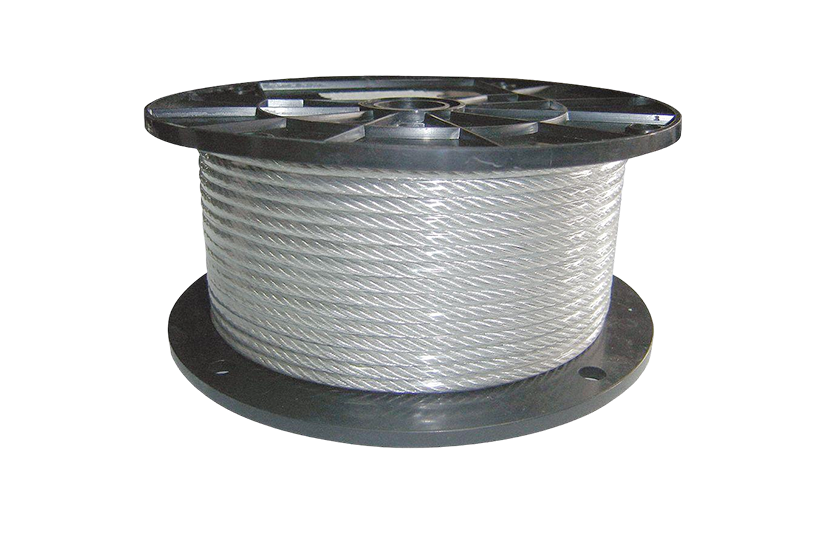
El proceso de fabricación de cables de acero generalmente comienza con una varilla de acero de alta calidad como materia prima. Esta varilla se procesa a través de múltiples etapas de producción para lograr el diámetro, la resistencia, el acabado superficial y las características mecánicas requeridas.
A diferencia de los productos de acero comunes, el cable de acero se compone de múltiples alambres de acero trenzados entre sí para formar hebras, las cuales se combinan alrededor de un núcleo para crear la estructura final del cable. Esta estructura especial permite que el cable de acero ofrezca una excelente flexibilidad a la vez que mantiene una alta capacidad de carga.
El proceso completo de fabricación de cables de acero incluye varios pasos importantes:
Selección del material del Alambre de acero
Estirado de alambre y reducción de diámetro
Tratamiento térmico y mejora de la resistencia
Recubrimiento de superficies y protección contra la corrosión
Producción de Strand
proceso de cierre de cuerda
Inspección de calidad y pruebas de rendimiento
Selección de materiales para cables de acero
La selección de materiales es la base del proceso de fabricación de cables de acero. El rendimiento del cable de acero depende en gran medida de la composición química, el grado de resistencia y la uniformidad de la calidad de la materia prima de acero.
Los materiales comunes para cables de acero incluyen alambrón de acero con alto contenido de carbono y aceros aleados. El acero con alto contenido de carbono ofrece una excelente resistencia a la tracción, dureza y resistencia al desgaste, lo que lo hace adecuado para aplicaciones de alta exigencia.
Durante el proceso de fabricación de cables de acero, los fabricantes seleccionan cuidadosamente los materiales de acero según los requisitos de la aplicación final. Las diferentes industrias requieren características distintas para los cables de acero, como alta resistencia, resistencia a la corrosión, resistencia a la fatiga o mayor flexibilidad.
Para aplicaciones en exteriores y marinas, la protección contra la corrosión se convierte en un factor importante. Los tratamientos superficiales, como el galvanizado, pueden mejorar la resistencia a la corrosión del cable de acero y prolongar su vida útil en ambientes húmedos.
Proceso de trefilado de alambre de acero
El trefilado es una de las etapas más importantes en el proceso de fabricación de cables de acero. Durante este proceso, el diámetro de la varilla de acero se reduce gradualmente mediante una serie de matrices de trefilado.
El proceso de trefilado mejora las propiedades mecánicas del alambre de acero al aumentar su resistencia a la tracción y lograr un control dimensional preciso. La exactitud del diámetro del alambre de acero afecta directamente la estabilidad estructural y el rendimiento del cable de acero final.
La avanzada tecnología de trefilado garantiza un diámetro de alambre uniforme, una superficie lisa y un rendimiento mecánico constante. La lubricación adecuada durante el proceso de trefilado reduce la fricción, previene defectos superficiales y mejora la eficiencia de la producción.
En el proceso de fabricación de cables de acero, el trefilado preciso del alambre es esencial, ya que incluso pequeñas variaciones en el diámetro del alambre pueden influir en el equilibrio, la flexibilidad y la distribución de la carga del cable.
Tecnología de tratamiento térmico en la producción de cables de acero
El tratamiento térmico es otra etapa crucial en el proceso de fabricación de cables de acero. Su objetivo es optimizar la estructura interna del alambre y mejorar su resistencia, tenacidad y resistencia a la fatiga.
Mediante procesos controlados de calentamiento y enfriamiento, el alambre de acero puede alcanzar las propiedades mecánicas necesarias para diversas aplicaciones. Un tratamiento térmico adecuado permite que el cable de acero resista flexiones repetidas, cargas pesadas y condiciones de trabajo dinámicas.
La tecnología de cables de acero utilizada durante el tratamiento térmico debe mantener un control de temperatura uniforme. Un tratamiento térmico inconsistente puede provocar una resistencia desigual, una menor flexibilidad o una falla prematura durante el funcionamiento.
El proceso de fabricación de cables de acero de alta calidad requiere una monitorización continua de los parámetros de temperatura y del rendimiento del material para garantizar una calidad estable del producto.
Tratamiento de superficies y protección contra la corrosión
El tratamiento de la superficie es una parte esencial del proceso de fabricación de cables de acero, ya que estos cables suelen utilizarse en exteriores, entornos marinos e industriales.
La galvanización es uno de los métodos más comunes de protección de superficies. Un recubrimiento de zinc crea una capa protectora que ayuda a prevenir la corrosión y la oxidación. El Cable de acero galvanizado se utiliza ampliamente en lugares con humedad y exposición a la intemperie.
Otros tratamientos superficiales también pueden mejorar características de rendimiento específicas, como la resistencia al desgaste, la retención de la lubricación y la adaptabilidad al medio ambiente.
Durante el proceso de fabricación de cables de acero, la inspección de la calidad de la superficie garantiza que el recubrimiento sea uniforme y esté libre de defectos. Un tratamiento superficial adecuado mejora la fiabilidad y la vida útil del cable de acero.
Fabricación de cables de acero trenzados

Una vez preparados los alambres de acero individuales, la siguiente etapa del proceso de fabricación de cables de acero es la producción de los cordones.
Se entrelazan varios alambres de acero siguiendo diseños específicos para crear cables resistentes y flexibles. La disposición, el número de alambres y la dirección del trenzado determinan las características de rendimiento del cable de acero.
Las distintas estructuras de los filamentos ofrecen diferentes ventajas. Algunos diseños se centran en la flexibilidad, mientras que otros priorizan la resistencia, la durabilidad o el rendimiento ante la fatiga.
La fabricación precisa de los cables es importante porque el posicionamiento uniforme de los alambres garantiza una distribución equilibrada de la carga cuando el cable de acero está sometido a tensión.
Tecnología de proceso de cierre de cables de acero
El proceso de unión del cable es una etapa clave en la fabricación de cables de acero. Durante esta etapa, se combinan varios cordones alrededor de un núcleo central para formar la estructura final del cable.
El proceso de fabricación de cables de acero requiere un control preciso de la velocidad de torsión, el equilibrio de la tensión y el posicionamiento de los cordones durante el cierre. Un control adecuado garantiza que cada cordón distribuya la carga de manera uniforme y mejora la resistencia y estabilidad generales del cable de acero.
Se pueden fabricar diferentes tipos de cables según los requisitos de cada aplicación. Algunos diseños de cables de acero priorizan la flexibilidad para aplicaciones que implican flexiones repetidas, mientras que otros priorizan una mayor resistencia a la rotura para operaciones industriales y de elevación de cargas pesadas.
La tecnología avanzada de cables de acero ayuda a mantener un diámetro constante, una disposición uniforme de los hilos y un rendimiento mecánico estable durante la producción. Estos factores influyen directamente en la fiabilidad y la vida útil del cable de acero.
Selección del núcleo del cable de acero
El núcleo es un componente importante en el proceso de fabricación de cables de acero, ya que soporta los hilos y ayuda a mantener la estructura del cable.
Los distintos materiales del núcleo ofrecen diferentes características de rendimiento. Los núcleos de cable de acero más comunes incluyen núcleos de fibra y núcleos de acero. Los núcleos de fibra mejoran la flexibilidad y la retención de la lubricación, mientras que los núcleos de acero proporcionan mayor resistencia y mejor resistencia al aplastamiento.
Durante el proceso de fabricación de cables de acero, seleccionar el tipo de núcleo adecuado es fundamental para lograr el equilibrio necesario entre flexibilidad, resistencia y durabilidad.
Para aplicaciones de alta exigencia con cargas elevadas y condiciones de trabajo adversas, a menudo se eligen estructuras con núcleo de acero porque proporcionan un soporte más robusto y una mayor estabilidad estructural.
Proceso de control de calidad del cable de acero
El control de calidad es una de las partes más importantes del proceso de fabricación de cables de acero. Un estricto control de calidad garantiza que cada cable de acero cumpla con los requisitos de rendimiento antes de su entrega.
El proceso de control de calidad del cable de acero abarca la inspección de la materia prima, el seguimiento de la producción, la medición dimensional, las pruebas mecánicas y la evaluación del producto final.
Inspección de la materia prima: Antes de la producción, se realizan pruebas a los materiales de alambre de acero para comprobar su composición química, resistencia y calidad superficial.
Inspección del diámetro: Se mide el diámetro del cable de acero para garantizar la precisión dimensional y la consistencia estructural.
Ensayo de resistencia a la tracción: El cable de acero acabado se somete a pruebas para verificar su resistencia a la rotura y su capacidad de carga.
Pruebas de flexibilidad: Las pruebas evalúan el rendimiento a la flexión y la resistencia a la fatiga bajo un funcionamiento repetido.
Inspección de la superficie: Se comprueban minuciosamente el estado de la superficie, la calidad del recubrimiento y los posibles defectos.
Ensayos de rendimiento mecánico de cables de acero
Las pruebas mecánicas son un paso esencial en el proceso de fabricación de cables de acero. Estas pruebas confirman que el cable de acero puede soportar condiciones de trabajo exigentes.
Las pruebas de tracción se utilizan habitualmente para medir la capacidad de carga máxima de los cables de acero. Esta información ayuda a determinar si el producto es adecuado para aplicaciones de elevación, tracción, suspensión o industriales.
Las pruebas de fatiga evalúan el comportamiento de los cables de acero bajo flexión repetida y cargas dinámicas. Esto es especialmente importante para grúas, ascensores y maquinaria en movimiento continuo.
Las pruebas de resistencia a la compresión también son importantes para ciertas aplicaciones de cables de acero. Un cable de acero fabricado correctamente debe mantener su estabilidad estructural incluso bajo presión externa o en condiciones de bobinado multicapa.
Importancia de la tecnología avanzada de cables de acero
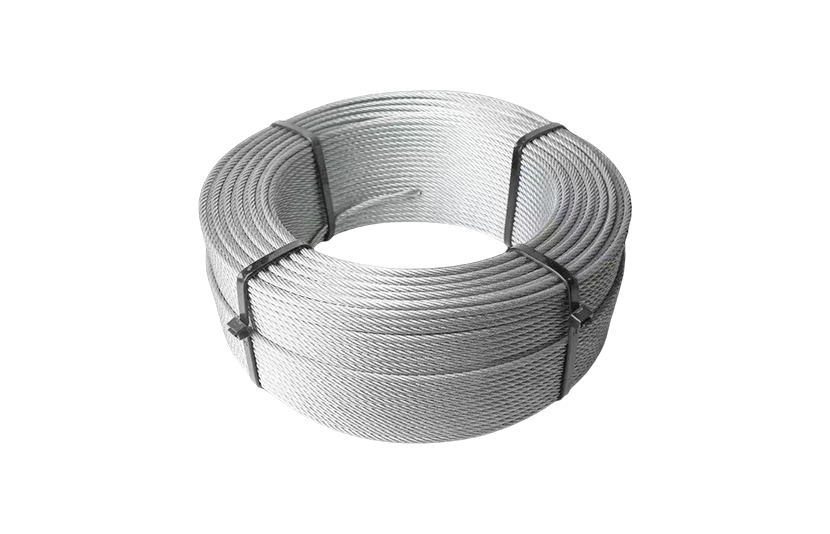
La tecnología moderna de cables de acero sigue mejorando la precisión de la producción, el rendimiento del material y la fiabilidad del producto.
Los sistemas de fabricación avanzados permiten un mayor control sobre el trefilado, el trenzado, el tratamiento superficial y los procedimientos de inspección. Estas mejoras contribuyen a la producción de cables de acero con mayor resistencia, mejor flexibilidad y una vida útil más prolongada.
La tecnología de automatización también desempeña un papel importante en el proceso de fabricación de cables de acero. Los equipos automatizados permiten mantener parámetros de producción estables, reducir errores humanos y mejorar la uniformidad del producto.
La mejora continua en la tecnología de cables de acero permite que los productos de cable de acero cumplan con los requisitos industriales cada vez más exigentes.
Aplicaciones del cable de acero
El proceso de fabricación de cables de acero produce productos utilizados en una amplia gama de industrias debido a su excelente resistencia y flexibilidad.
Industria de la construcción
En proyectos de construcción, el cable de acero se utiliza ampliamente en grúas, sistemas de elevación, estructuras de suspensión y equipos de manipulación de materiales. Un rendimiento fiable del cable de acero es fundamental para garantizar operaciones seguras y eficientes.
Aplicaciones marinas y en alta mar
Los entornos marinos requieren cables de acero con alta resistencia a la corrosión y gran durabilidad. Estos cables se utilizan en equipos navales, plataformas marinas, sistemas de amarre y operaciones de elevación marítima.
Industria minera
Las operaciones mineras requieren cables de acero capaces de soportar cargas pesadas y un funcionamiento continuo. Los cables de acero de alta resistencia se utilizan habitualmente en sistemas de elevación minera y equipos de transporte.
Equipos de transporte e ingeniería
El cable de acero también se utiliza ampliamente en ascensores, sistemas de cableado, maquinaria industrial y equipos de transporte debido a su resistencia, flexibilidad y fiabilidad.
Factores que afectan la calidad del cable de acero
La calidad del cable de acero depende de muchos factores a lo largo del proceso de fabricación.
Calidad del material: Los materiales de acero de alta calidad proporcionan mayor resistencia y durabilidad.
Precisión de fabricación: La tecnología de producción precisa garantiza una estructura de cuerda estable.
Protección de la superficie: Un recubrimiento adecuado mejora la resistencia a la corrosión y la vida útil.
Control de producción: La inspección rigurosa reduce los defectos y mejora la fiabilidad.
Adecuación a la aplicación: Seleccionar el diseño correcto del cable de acero mejora el rendimiento.
¿Cómo elegir el cable de acero adecuado?
Para elegir el cable de acero adecuado, es necesario tener en cuenta las condiciones de aplicación, la carga de trabajo, el entorno y los requisitos de servicio.
Para aplicaciones generales de elevación y en exteriores, el cable de acero galvanizado ofrece un buen equilibrio entre resistencia y resistencia a la corrosión. Para entornos altamente corrosivos, puede ser más adecuado el cable de acero inoxidable o el cable de acero con protección especial.
Antes de tomar una decisión, los usuarios deben tener en cuenta el diámetro de la cuerda, el tipo de construcción, el diseño del núcleo, el tratamiento de la superficie, la resistencia a la tracción y las condiciones de funcionamiento.
Comprender el proceso de fabricación de cables de acero ayuda a los compradores a evaluar la calidad del producto y a seleccionar cables de acero que ofrezcan un rendimiento fiable y un valor a largo plazo.
Conclusión
El proceso de fabricación de cables de acero combina la selección de materiales, el procesamiento de precisión, la tecnología avanzada y un estricto control de calidad para producir productos de cable de acero fiables.
Desde la preparación y el trefilado del alambre de acero hasta la formación de los cordones, el cierre del cable y la inspección final, cada paso influye en el rendimiento del cable de acero. Un proceso de fabricación de cables de acero bien controlado garantiza alta resistencia, durabilidad, flexibilidad y seguridad.
Gracias al continuo desarrollo de la tecnología de cables de acero, los productos modernos de cables de acero ofrecen un rendimiento mejorado para aplicaciones en la construcción, el sector marítimo, la minería, el transporte y la industria.
Preguntas frecuentes sobre el proceso de fabricación de cables de acero
¿Cuáles son los pasos principales del proceso de fabricación de cables de acero?
Los pasos principales incluyen la selección del material de acero, el trefilado, el tratamiento térmico, el tratamiento superficial, la producción del cordón, el cierre del cable, la inspección de calidad y las pruebas finales.
¿Qué materiales se utilizan en la producción de cables de acero?
El cable de acero se fabrica principalmente utilizando alambrón de acero con alto contenido de carbono y materiales de acero aleado seleccionados según la resistencia, la durabilidad y las condiciones de aplicación requeridas.
¿Por qué es importante el control de calidad en la fabricación de cables de acero?
El control de calidad garantiza que el cable de acero cumpla con los requisitos de resistencia, dimensiones, resistencia a la corrosión y seguridad antes de ser utilizado en aplicaciones industriales.
¿Cómo afecta la tecnología de fabricación a la calidad del cable de acero?
La tecnología avanzada de cables de acero mejora la precisión de la producción, la consistencia estructural, el rendimiento mecánico y la vida útil general.
¿Qué industrias utilizan cables de acero?
El cable de acero se utiliza ampliamente en la construcción, la ingeniería naval, la minería, el transporte, los ascensores, los equipos de elevación y la maquinaria industrial.


 Correo electrónico:
 Dirección: No. 508, Guangxing Road, ciudad de Baishan, condado de Bo'ai, ciudad de Jiaozuo, provincia de Henan



 Teléfono
Comentario
(0)