

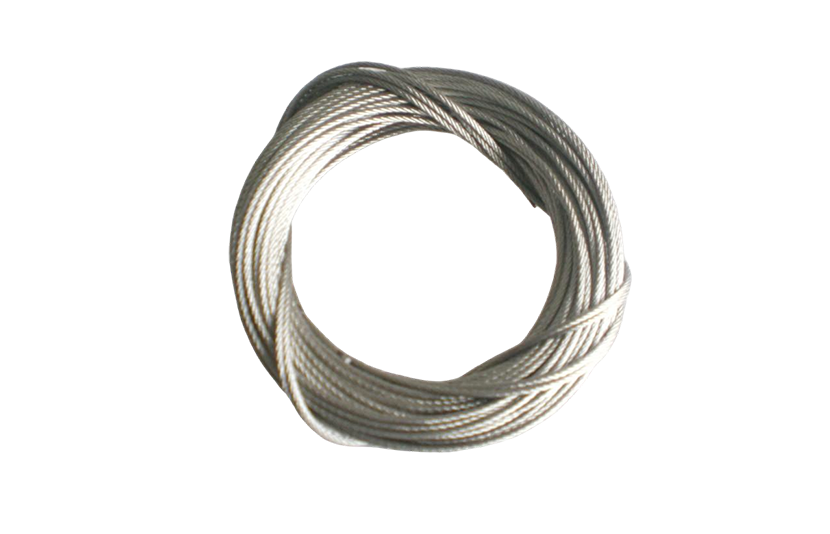
La malla de gaviones es uno de los materiales más prácticos, duraderos y versátiles utilizados en la construcción moderna, la ingeniería civil, el paisajismo y los proyectos de control de la erosión. Fabricados con alambre de alta resistencia y conformados en unidades tipo cesta, los sistemas de malla de gaviones se rellenan con piedras, rocas u otros materiales adecuados para crear estructuras estables que soportan el suelo, controlan el flujo de agua, protegen taludes y mejoran la estabilidad del terreno. Gracias a su resistencia, permeabilidad, flexibilidad y larga vida útil, la malla de gaviones se ha convertido en una solución ampliamente utilizada en muros de contención, protección de riberas, refuerzo de carreteras, defensa costera y diseño paisajístico.
Esta guía completa explica qué es la malla de gaviones, cómo funciona, sus principales aplicaciones en la construcción, especificaciones estándar, opciones de materiales, consideraciones de instalación y las ventajas clave que la convierten en la opción preferida para proyectos de infraestructura y paisajismo. El contenido a continuación está escrito en un inglés claro y optimizado para SEO, y estructurado para facilitar su uso en blogs, páginas de categorías, páginas de destino de productos y páginas de recursos del sector.
La malla de gaviones se refiere a una estructura de alambre tejido o soldado que se utiliza para formar cestas, cajas y colchones de gaviones, así como sistemas de contención relacionados. Los paneles de malla suelen estar hechos de Alambre de acero galvanizado, alambre de aleación de zinc-aluminio o alambre recubierto de PVC. Una vez ensamblada y rellena de piedra, la estructura de gaviones se convierte en una masa pesada, estable y permeable que resiste el movimiento, reduce la erosión y sirve de soporte para movimientos de tierra.
El término «gavión» proviene de un concepto histórico que designaba una jaula o cesta utilizada para protección y soporte. En la construcción moderna, la malla de gaviones ofrece un sistema modular que se adapta a los diferentes requisitos de cada proyecto. A diferencia de las estructuras rígidas de hormigón, los sistemas de gaviones son flexibles y pueden absorber pequeños movimientos del terreno manteniendo su integridad estructural.
La malla de gaviones es muy valorada porque combina una instalación sencilla con un rendimiento duradero. En muchos casos no requiere maquinaria compleja y, a menudo, se puede instalar utilizando materiales pétreos locales, lo que ayuda a reducir los costos de transporte y materiales.
La malla de gaviones funciona conteniendo el relleno de roca dentro de una estructura de alambre. La malla mantiene la piedra en su lugar, permitiendo al mismo tiempo que el agua pase a través de los espacios entre las rocas. Esta permeabilidad es una de las características más importantes de la construcción con gaviones, ya que ayuda a aliviar la presión hidrostática detrás de las estructuras de contención y reduce el riesgo de fallas causadas por el agua atrapada.
Cuando se instala en muros de contención, riberas o sistemas de estabilización de taludes, la malla de gaviones crea una masa que combina peso, drenaje y flexibilidad. El peso del relleno de piedra proporciona estabilidad, mientras que la estructura abierta permite el drenaje natural. Con el tiempo, la vegetación puede crecer dentro y alrededor del sistema de gaviones, mejorando la integración ambiental y la protección del talud.
Existen varios tipos comunes de malla de gaviones que se utilizan en aplicaciones de construcción. La selección depende del uso previsto, las condiciones de carga, el entorno de instalación y los requisitos de diseño.
| Tipo de malla de gavión | Material común | Uso principal | Características principales |
|---|---|---|---|
| Malla hexagonal tejida para gaviones | Alambre de acero galvanizado o recubierto | Muros de contención, control de la erosión, revestimiento de canales | Flexible, duradero, fácil de instalar, buena resistencia al asentamiento. |
| Malla de gaviones soldada | Alambre de acero con juntas soldadas | Muros arquitectónicos, paisajismo, estructuras decorativas | Aspecto rígido, geometría precisa, forma estructural robusta. |
| Malla de gaviones galvanizada | Alambre de acero recubierto de zinc | Construcción general e ingeniería civil | Resistente a la corrosión, rentable, ampliamente utilizado. |
| Malla de gaviones recubierta de PVC | Alambre galvanizado con capa exterior de PVC | Entornos marinos, costeros, húmedos o altamente corrosivos | Protección adicional contra el óxido y la exposición a la intemperie. |
| Malla de gaviones de zinc y aluminio | Alambre con recubrimiento de aleación | Obras de infraestructura de alta durabilidad | Mayor resistencia a la corrosión y mayor vida útil. |
La malla de gaviones se utiliza en una amplia gama de aplicaciones de construcción debido a su adaptabilidad, economía y respeto al medio ambiente. Su capacidad para combinar soporte estructural con drenaje la hace particularmente útil en proyectos que involucran suelo, agua y terrenos inestables.
Los muros de contención de gaviones son una de las aplicaciones más comunes de la malla de gaviones. Estos muros se utilizan para contener el suelo, sostener terraplenes de carreteras, estabilizar laderas y crear terrazas ajardinadas. En comparación con los muros de contención de hormigón, los muros de contención de gaviones suelen ser más fáciles de instalar y más adecuados para terrenos con movimientos de suelo variables.
Debido a que los muros de gaviones son permeables, permiten que el agua fluya a través de la estructura en lugar de acumularse detrás de ella. Esto reduce la presión sobre el muro y mejora su durabilidad a largo plazo.
La malla de gaviones se utiliza ampliamente para la protección de riberas, la estabilización de arroyos y el revestimiento de canales. En proyectos de control de agua, las cestas de gaviones rellenas de piedra pueden absorber el impacto del agua corriente, reducir la erosión y ayudar a prevenirla. Su flexibilidad las hace idóneas para zonas donde el terreno puede desplazarse o asentarse con el tiempo.
Las pendientes y los terraplenes son vulnerables a la erosión, los deslizamientos y la inestabilidad superficial. Los sistemas de malla de gaviones ayudan a estabilizar las pendientes al proporcionar una barrera permeable y resistente que retiene el suelo y facilita el drenaje. Se utilizan comúnmente en la construcción de carreteras, el refuerzo de laderas y la ingeniería paisajística.
En proyectos costeros, la malla de gaviones se puede utilizar para proteger las costas del impacto de las olas y la erosión. Cuando se fabrican con recubrimientos altamente resistentes a la corrosión, las estructuras de gaviones pueden funcionar eficazmente en ambientes húmedos y salinos. Se utilizan con frecuencia en revestimientos, sistemas de soporte de diques y refuerzos costeros temporales o permanentes.
La malla de gaviones se instala frecuentemente junto a carreteras y vías férreas para estabilizar terraplenes, prevenir la pérdida de suelo y gestionar el drenaje. Su capacidad para adaptarse a pequeños asentamientos resulta especialmente útil en proyectos de transporte donde las condiciones del terreno pueden variar con el tiempo.
Más allá de sus aplicaciones puramente funcionales, la malla de gaviones se utiliza cada vez más en paisajismo y arquitectura. Los muros decorativos de gaviones, los asientos, las divisiones de jardín, las jardineras y los elementos de delimitación son populares porque combinan la apariencia de la piedra natural con una forma estructural moderna. La malla de gaviones soldada se suele elegir para estos usos debido a sus líneas limpias y su atractivo acabado.
Los sistemas de malla de gaviones pueden incorporarse a estructuras de control de inundaciones, canales de desviación y obras temporales de gestión del agua. Dado que los gaviones permiten el flujo del agua a la vez que resisten la erosión, son idóneos para entornos hidráulicos donde tanto el drenaje como la resistencia son importantes.
La malla de gaviones ofrece una combinación única de ventajas que la hacen muy atractiva para aplicaciones en la construcción. Estas ventajas explican por qué se sigue utilizando en proyectos de ingeniería civil, infraestructura y paisajismo en todo el mundo.
| Ventaja | Descripción | Valor de la construcción |
|---|---|---|
| Alta resistencia | La malla metálica y el relleno de piedra crean una masa pesada y duradera. | Proporciona un fuerte soporte para el suelo y los terraplenes. |
| Excelente drenaje | La estructura abierta permite que el agua pase a través | Reduce la presión hidrostática detrás de muros y pendientes. |
| Flexibilidad | Puede adaptarse a pequeños movimientos del terreno y asentamientos. | Útil en terrenos inestables o irregulares. |
| Larga vida útil | Los recubrimientos resistentes a la corrosión prolongan la durabilidad. | Adecuado para uso en infraestructuras a largo plazo. |
| Eficiencia de costos | A menudo se utiliza piedra local y métodos de ensamblaje sencillos. | Puede reducir los costos de mano de obra y transporte. |
| Compatibilidad ambiental | Permite el crecimiento de la vegetación y la integración natural. | Apoya estrategias de construcción respetuosas con el medio ambiente. |
| Fácil instalación | Las unidades modulares son fáciles de ensamblar y colocar. | Acelera la entrega del proyecto |
| Diseño versátil | Disponible en diferentes tamaños, formas y acabados. | Funciona para aplicaciones de ingeniería y decoración. |
La malla para gaviones está disponible en diversas especificaciones estándar. Los requisitos exactos pueden variar según el tipo de proyecto, la exposición ambiental y las condiciones de carga. La siguiente tabla ofrece una referencia general de las especificaciones comunes de malla para gaviones utilizadas en la construcción.
| Elemento de especificación | Rango típico | Notas |
|---|---|---|
| Diámetro del alambre | De 2,0 mm a 4,0 mm | Para aplicaciones más exigentes se suele utilizar un cable más grueso. |
| Abertura de malla | 60 x 80 mm, 80 x 100 mm, 100 x 120 mm | Tamaños de abertura hexagonal comunes |
| Forma del panel | Cesta, caja, colchón, saco o panel soldado | Seleccionado según el propósito del proyecto. |
| Recubrimiento de cables | Galvanizado, galvanizado pesado, recubierto de PVC, aleación de Zn-Al | El recubrimiento mejora la resistencia a la corrosión. |
| Dimensiones de la cesta | Los tamaños comunes incluyen 2 x 1 x 1 m, 3 x 1 x 1 m, 2 x 1 x 0,5 m | También se ofrecen dimensiones personalizadas para muchos proyectos. |
| Alambre de orillo | Más grueso que el alambre de malla | Ayuda a fortalecer los bordes y a mejorar la retención de la forma. |
| Alambre de atado | Adaptado al sistema de cableado principal | Se utiliza para conectar paneles y ensamblar cestas. |
| Tamaño de relleno de piedra | De mayor tamaño que la abertura de la malla, generalmente se trata de una piedra angular dura. | Evita la pérdida de piedra y mejora el encaje. |
El rendimiento de la malla de gaviones depende en gran medida del material utilizado para el alambre y del recubrimiento protector aplicado. Elegir el material adecuado es fundamental para lograr la durabilidad y la resistencia a la corrosión deseadas.
El acero galvanizado es uno de los materiales más comunes para la malla de gaviones. El recubrimiento de zinc ayuda a proteger el acero contra la oxidación y el desgaste ambiental. Esto lo hace adecuado para proyectos de construcción en general, muros de contención y aplicaciones de drenaje en condiciones de exposición moderadas.
El alambre galvanizado de alta resistencia tiene una capa de zinc más gruesa que el alambre galvanizado estándar. Se utiliza donde se requiere mayor resistencia a la corrosión. Esta opción suele elegirse para instalaciones exteriores de larga duración y ambientes húmedos.
La malla de gaviones recubierta de PVC incluye un recubrimiento polimérico adicional sobre el alambre galvanizado. Esto proporciona protección extra y puede mejorar su rendimiento en zonas costeras, húmedas y entornos altamente corrosivos. Además, puede mejorar su aspecto al ofrecer un acabado superficial uniforme.
Los recubrimientos de aleación de zinc-aluminio están diseñados para proporcionar una mayor resistencia a la corrosión y a la intemperie. Se utilizan con frecuencia en sistemas de gaviones de alto rendimiento donde una vida útil prolongada es una prioridad.
Un diseño adecuado de la malla de gaviones es fundamental para la seguridad, la estabilidad y el rendimiento a largo plazo. Se deben considerar varios factores antes de seleccionar un sistema de gaviones para un proyecto de construcción.
El uso previsto del sistema de gaviones determinará el tipo de alambre, el tamaño de la cesta, la abertura de la malla y el material de relleno. Un muro de contención, por ejemplo, puede requerir especificaciones diferentes a las de un muro decorativo para jardines o un revestimiento de ribera.
Los sistemas de gaviones expuestos al agua, la sal, productos químicos o la humedad frecuente requieren una mayor protección contra la corrosión. En entornos marinos o costeros, suelen preferirse las opciones de alambre recubierto.
Los gaviones utilizados para sostener el suelo o la infraestructura deben diseñarse para soportar las cargas previstas. La altura, el espesor, la disposición de las capas y la preparación de la base de la estructura influyen en su rendimiento.
Una de las principales ventajas de la malla de gaviones es el drenaje. Sin embargo, es necesario evaluar las condiciones del terreno para asegurar un correcto flujo del agua y evitar la erosión alrededor de la estructura.
El material de relleno debe ser generalmente duro, duradero y de mayor tamaño que la abertura de la malla. Se suele preferir la piedra angular porque se encaja mejor y mejora la estabilidad general.
Si bien los detalles del proyecto pueden variar, la instalación de la malla de gaviones generalmente sigue una secuencia sencilla. El ensamblaje y la colocación adecuados son esenciales para lograr una estructura confiable.
Unas buenas prácticas de instalación ayudan a garantizar que el sistema de malla de gaviones funcione según lo previsto durante su vida útil. Un montaje preciso, el tamaño adecuado de las piedras y una compactación cuidadosa del suelo adyacente contribuyen a un resultado final estable.
La malla de gaviones se compara frecuentemente con los sistemas de contención de hormigón, madera y materiales sintéticos. Cada material tiene sus propias ventajas, pero la malla de gaviones ofrece un equilibrio entre rendimiento, drenaje e integración ambiental difícil de igualar en muchas aplicaciones.
| Material | Fortaleza | Drenaje | Flexibilidad | Uso típico |
|---|---|---|---|---|
| Malla de gaviones | Alto | Excelente | Alto | Muros de contención, control de la erosión, paisajismo |
| Muro de hormigón | Muy alto | Bajo a menos que se agregue un sistema de drenaje diseñado. | Bajo | Retención estructural de alta resistencia |
| Muro de madera | Moderado | Moderado | Moderado | Paisajismo ligero y apoyo temporal |
| Sistema geosintético | Variable | Bien | Alto | Refuerzo del suelo y terraplenes de ingeniería |
Desde la perspectiva del contenido del sector, la malla de gaviones es un tema clave para el SEO en la construcción, ya que abarca una combinación de palabras clave de alta intención, como malla de gaviones, cesta de gaviones, sistema de muro de contención, control de la erosión, estabilización de taludes y solución de drenaje. Estos términos son relevantes para ingenieros, contratistas, paisajistas y equipos de compras que buscan información práctica.
El contenido que explica claramente las mallas de gaviones suele posicionarse bien en los resultados de búsqueda, ya que los usuarios buscan definiciones, especificaciones, aplicaciones, instrucciones de instalación y comparaciones de materiales antes de tomar decisiones sobre sus proyectos. Una página bien estructurada con encabezados, tablas y secciones basadas en aplicaciones mejora la legibilidad y el rendimiento de las búsquedas.
La malla de gaviones se utiliza para muros de contención, control de la erosión, protección de riberas, estabilización de taludes, soporte de carreteras, paisajismo, obras costeras y proyectos de gestión del agua.
Sí. Cuando se fabrican con alambre galvanizado o recubierto de alta calidad, las mallas de gaviones ofrecen durabilidad a largo plazo y una gran resistencia al desgaste ambiental.
No siempre. Algunas aplicaciones de gaviones utilizan cimientos granulares compactados o capas base preparadas en lugar de hormigón. La elección del cimiento depende del diseño del proyecto y de las condiciones del suelo.
Generalmente se prefiere la piedra dura, duradera y angular porque encaja bien, resiste la intemperie y permanece firmemente contenida dentro de la malla.
Sí. La malla de gaviones es especialmente útil en ambientes húmedos porque permite el paso del agua a la vez que ayuda a prevenir la erosión y el movimiento del suelo.
Los sistemas de malla de gaviones se caracterizan por su bajo mantenimiento en comparación con otras soluciones constructivas. En la mayoría de los casos, una inspección periódica es suficiente para detectar cualquier daño, deformación o asentamiento inesperado. Si el revestimiento de alambre permanece intacto y el relleno de piedra es estable, la estructura puede durar muchos años.
El mantenimiento puede incluir la revisión de la corrosión, la reparación de tramos de cable dañados, la reposición de piedras desplazadas y el control del drenaje en las zonas adyacentes. En aplicaciones que favorecen la vegetación, cierto crecimiento de plantas alrededor de la estructura puede ser beneficioso, pero las raíces y el movimiento del suelo deben controlarse cuidadosamente.
La malla de gaviones sigue siendo una de las soluciones más prácticas y eficaces para aplicaciones de construcción que requieren resistencia, drenaje, flexibilidad y estabilidad a largo plazo. Ya sea en muros de contención, refuerzo de taludes, control de la erosión, protección de ríos, obras viales o diseño paisajístico, la malla de gaviones ofrece una combinación probada de rendimiento estructural y compatibilidad ambiental.
Su diseño modular sencillo, sus especificaciones personalizables y su amplia gama de materiales hacen que la malla de gaviones sea ideal tanto para infraestructuras de ingeniería como para proyectos arquitectónicos decorativos. Para propietarios de terrenos, contratistas y diseñadores que buscan un material de construcción fiable, la malla de gaviones ofrece un equilibrio perfecto entre durabilidad, rentabilidad y versatilidad.
Al comprender los tipos de malla de gaviones, sus especificaciones, ventajas y principios de instalación, los planificadores de proyectos pueden elegir el sistema adecuado para su aplicación y mejorar los resultados del proyecto a largo plazo.

 Teléfono fijo: +86-513-85100011
Teléfono: +86 13585223056
 Correo electrónico:hangtong@nthangtong.com
vicky@nthangtong.com
 Dirección: No. 508, Guangxing Road, ciudad de Baishan, condado de Bo'ai, ciudad de Jiaozuo, provincia de Henan
Copyright © Henan Suxiang Steel Cable Co., Ltd
Este sitio web utiliza cookies para garantizar que obtenga la mejor experiencia en nuestro sitio web.
 English
 한국어
한국어 العربية
 Tiếng Việt
 Filipino



 Teléfono
Comentario
(0)