

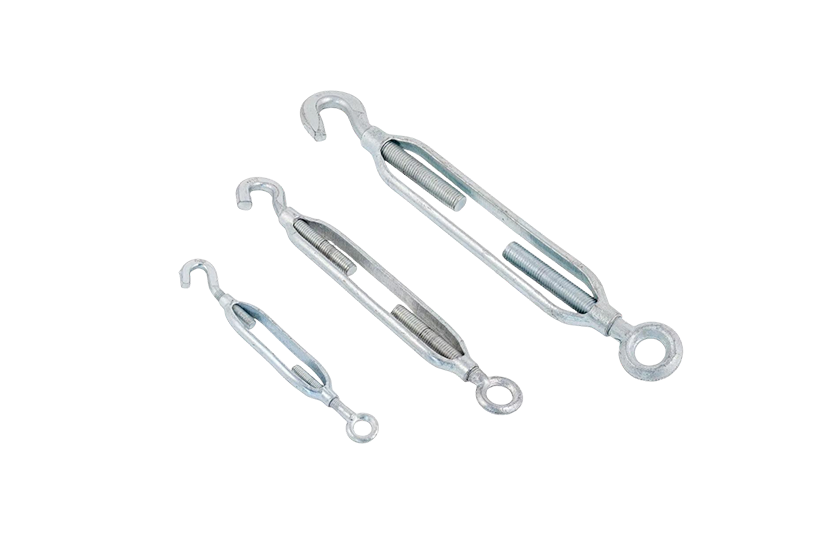
Elegir el adecuado Alambre de acero para uso industrial Es esencial para el rendimiento, la seguridad, la durabilidad y la rentabilidad.
El Alambre de acero industrial se utiliza en la construcción, la fabricación, los sistemas de elevación, las cercas, el refuerzo, los componentes automotrices,
equipos agrícolas, conjuntos de cables de acero e innumerables otras aplicaciones. Debido a que diferentes entornos y cargas de trabajo requieren
diferentes propiedades mecánicas, seleccionar la especificación correcta del alambre de acero es una decisión crítica para ingenieros, compradores,
equipos de compras y gerentes de proyecto.
Esta guía completa explica los principales tipos de alambre de acero industrial, propiedades comunes, factores clave de selección, especificaciones estándar,
ventajas, áreas de aplicación y tablas comparativas. Está escrito como un recurso práctico y optimizado para SEO para páginas de blogs, páginas de categorías,
y páginas de productos industriales. La información que figura a continuación es solo una guía general del sector y no incluye recomendaciones específicas de la empresa.
Alambre de acero es un producto metálico largo y delgado hecho estirando acero a través de una serie de matrices para reducir su diámetro y mejorar
propiedades mecánicas. Para uso industrial, el alambre de acero se produce típicamente a partir de acero al carbono, acero inoxidable, acero aleado o acero galvanizado,
dependiendo de la resistencia requerida, la resistencia a la corrosión, la flexibilidad y el acabado superficial.
El alambre de acero industrial se puede suministrar en bobinas, carretes, longitudes cortadas o como parte de productos terminados como cables de acero, alambre para resortes,
Alambre para cercas, alambre para soldadura y alambre de refuerzo. Se valora por su alta resistencia a la tracción, adaptabilidad y amplia gama de diámetros.
y tratamientos superficiales.
El alambre de acero es uno de los materiales industriales más versátiles porque combina resistencia, maleabilidad y durabilidad. Se puede utilizar
en entornos exigentes donde los materiales deben soportar tensión, abrasión, vibración, carga o flexión repetida.
Comprender los principales tipos de alambre de acero es el primer paso para elegir el producto adecuado. Cada tipo tiene características distintas.
que afectan al rendimiento y la idoneidad.
| Tipo de alambre de acero | Características principales | Usos industriales comunes |
|---|---|---|
| Alambre de acero al carbono | Alta resistencia, económico, disponible en varios niveles de dureza. | Construcción, muelles, amarres, refuerzos, fabricación en general |
| Alambre de acero con bajo contenido de carbono | Más flexible, más fácil de moldear y soldar. | Alambre de amarre, cercas, malla, encofrado ligero |
| Alambre de acero con alto contenido de carbono | Muy resistente, excelente resistencia a la fatiga, estructura más dura. | Muelles, componentes de cables de acero, aplicaciones de alta tensión |
| Alambre de acero inoxidable | Excelente resistencia a la corrosión, aspecto limpio, larga vida útil. | Equipos para la industria alimentaria, uso marítimo, dispositivos médicos, entornos químicos |
| Alambre de acero galvanizado | Recubierto de zinc para una mayor resistencia a la corrosión. | Cercas, cables, agricultura, estructuras exteriores |
| Alambre de acero aleado | Propiedades mecánicas mejoradas mediante elementos de aleación. | Maquinaria especializada, repuestos para automóviles, componentes de alto rendimiento. |
| Alambre de acero para muelles | Diseñado para la elasticidad y la deformación repetida. | Muelles de compresión, muelles de torsión, conjuntos mecánicos |
La selección de alambre de acero para uso industrial requiere prestar atención a las propiedades de rendimiento que influyen en la seguridad y la productividad.
Las propiedades más importantes son la resistencia a la tracción, el límite elástico, la elongación, la tolerancia del diámetro, la dureza, la resistencia a la corrosión,
resistencia a la fatiga y calidad de la superficie.
La resistencia a la tracción es la tensión máxima que un cable puede soportar antes de romperse. Aplicaciones industriales que implican tensión, elevación,
Para trabajos de tracción o estiramiento se requiere Alambre de acero de alta resistencia. En general, un mayor contenido de carbono y tratamientos térmicos específicos pueden aumentar la resistencia.
La elongación indica cuánto puede estirarse el alambre antes de romperse. El alambre dúctil es más fácil de doblar, moldear e instalar. Aplicaciones
Los materiales que requieren torsión, anudado o moldeado repetido a menudo necesitan un equilibrio entre resistencia y ductilidad.
El acabado superficial afecta la resistencia a la corrosión, la apariencia, la fricción y el rendimiento del procesamiento. A menudo se prefieren las superficies lisas y limpias.
Para procesos automatizados de fabricación y trefilado de alambre. Los acabados con recubrimiento, como el Alambre galvanizado o con recubrimiento de polímero, mejoran la resistencia ambiental.
El diámetro del alambre de acero debe coincidir con los requisitos exactos de la aplicación final. Una tolerancia estricta es importante para resortes, mallas, cuerdas,
y piezas mecánicas de precisión. Incluso pequeñas variaciones en el diámetro pueden afectar al rendimiento y al montaje.
La resistencia a la corrosión es un factor importante en entornos exteriores, marinos, húmedos y químicos. Alambre de acero inoxidable y alambre de acero galvanizado.
Suelen elegirse cuando la prevención de la oxidación es una prioridad.
La resistencia a la fatiga es la capacidad del alambre para soportar cargas y descargas repetidas. Esta propiedad es importante para resortes, maquinaria en movimiento,
sistemas de transporte y aplicaciones de carga dinámica.
La dureza afecta la resistencia al desgaste y la retención de la forma. Los alambres más duros se utilizan a menudo donde se debe minimizar la deformación, mientras que los alambres más blandos
son mejores para el conformado y la fabricación.
El alambre de acero se utiliza en una amplia variedad de industrias. La elección del grado de alambre adecuado depende de las condiciones de carga, el entorno y las necesidades de fabricación.
| Industria | Aplicación típica del alambre de acero | Factor de selección importante |
|---|---|---|
| Construcción | Refuerzo, unión, malla, suspensión, soporte de cables | Resistencia, durabilidad, revestimiento, capacidad de carga |
| Fabricación | Muelles, sujetadores, piezas de alambre, conjuntos | Tolerancia de diámetro, conformabilidad, resistencia a la fatiga |
| Agricultura | Cercas, ataduras para fardos, enrejados, alambres de soporte | Resistencia a la intemperie, flexibilidad, rentabilidad |
| Automotor | Muelles del asiento, cables de control, piezas mecánicas | Fuerza, consistencia, rendimiento ante la fatiga |
| Marina | Cuerdas, fijaciones, barreras, herrajes | Resistencia a la corrosión, durabilidad en agua salada |
| Energía y servicios públicos | Cables de soporte, anclaje, componentes estructurales | Resistencia a la carga, fiabilidad a largo plazo |
| Logística y almacenamiento | Estanterías, sistemas de sujeción, agrupamiento y seguridad. | Resistencia, facilidad de manejo, durabilidad. |
El mejor grado de alambre de acero depende del uso previsto. Los compradores industriales deben evaluar el entorno operativo, la carga mecánica,
método de procesamiento y vida útil prevista. Las siguientes consideraciones pueden ayudar a acotar la elección correcta.
Pregunte si el cable estará sometido a carga estática, carga dinámica, tensión, flexión, vibración o impacto. Las aplicaciones estáticas pueden permitir
mayor flexibilidad en la elección de materiales, mientras que los sistemas dinámicos a menudo requieren una alta resistencia a la fatiga y una calidad constante.
Si el cable va a estar expuesto a la humedad, la sal, los productos químicos, la luz ultravioleta o las fluctuaciones de temperatura, generalmente se utiliza un Cable de acero resistente a la corrosión.
Preferiblemente, el alambre de acero inoxidable ofrece un rendimiento excelente en entornos hostiles, mientras que el alambre galvanizado es una opción rentable para uso en exteriores.
Algunos proyectos requieren que el alambre sea doblado, soldado, retorcido, cortado, trenzado o estirado aún más. El alambre de bajo contenido de carbono generalmente es más fácil de formar y soldar.
Mientras que el alambre con alto contenido de carbono es mejor cuando la resistencia y la elasticidad importan más que la facilidad de fabricación.
El alambre delgado se usa normalmente para piezas de precisión, ensamblajes ligeros y sistemas flexibles. El alambre más grueso es mejor para refuerzo y trabajos pesados.
Soporte y aplicaciones estructurales. Verifique siempre los requisitos de diámetro antes de comprar.
Los recubrimientos pueden mejorar la vida útil y el rendimiento. Las opciones más comunes incluyen recubrimientos galvanizados, recubrimientos de PVC y acabados pulidos.
El recubrimiento adecuado depende de si la principal preocupación es la prevención de la oxidación, la seguridad, la apariencia o la reducción de la fricción.
A continuación se muestra una referencia de especificaciones generales para alambre de acero industrial. La disponibilidad real del producto puede variar según el grado, estándar,
y método de procesamiento.
| Elemento de especificación | Gama/Opciones típicas | Notas |
|---|---|---|
| Material | Acero al carbono, acero inoxidable, acero aleado, acero galvanizado | Elija en función de la resistencia y la resistencia a la corrosión. |
| Diámetro | Generalmente, desde calibres de alambre fino hasta calibres industriales gruesos. | El rango exacto depende de la aplicación y del estándar. |
| Resistencia a la tracción | Grados de resistencia baja, media, alta y extra alta | Debe cumplir con los requisitos de carga y fatiga. |
| Acabado superficial | Brillante, galvanizado, recubierto, pulido, recocido negro | Afecta a la resistencia a la corrosión y a la manipulación. |
| Forma | Bobina, carrete, alambre cortado, hebra, cuerda, malla | Depende del proceso de fabricación y del uso final. |
| Tratamiento térmico | Recocido, endurecido, templado, estirado | Controla la fuerza, la flexibilidad y la resistencia. |
| Revestimiento | Zinc, PVC, polímero, ninguno | Mejora la resistencia ambiental |
| Cumplimiento de las normas | Los estándares industriales y regionales varían. | Verifique los requisitos técnicos aplicables antes de comprar. |
La tabla que aparece a continuación ofrece una comparación rápida para ayudar a compradores e ingenieros a identificar el tipo de cable más adecuado para aplicaciones industriales.
| Tipo de alambre | Fortaleza | Flexibilidad | Resistencia a la corrosión | Lo mejor para |
|---|---|---|---|---|
| Alambre de acero con bajo contenido de carbono | Medio | Alto | Bajo a medio | Formación, unión, uso general |
| Alambre de acero con alto contenido de carbono | Muy alto | Medio | Bajo a medio | Muelles, sistemas de tensión, piezas de alta resistencia |
| Alambre de acero inoxidable | Alto | Medio | Muy alto | Aplicaciones en exteriores, marinas, alimentarias y químicas. |
| Alambre de acero galvanizado | Alto | Medio | Alto | Cercas, alambre de soporte, estructuras exteriores |
| Alambre de acero para muelles | Muy alto | Medio | Medio | Aplicaciones elásticas y de carga repetida |
El alambre de acero industrial ofrece varias ventajas sobre los materiales alternativos. Estos beneficios lo convierten en una opción preferida en sectores donde
La fiabilidad mecánica y una larga vida útil son importantes.
El rendimiento está influenciado por más factores que solo el material base. El método de fabricación, el tratamiento térmico, el recubrimiento y las condiciones de almacenamiento también influyen.
Todos estos factores influyen en la calidad final.
El contenido de carbono y los elementos de aleación afectan significativamente la resistencia, la dureza y la soldabilidad. Un alambre con mayor contenido de carbono es generalmente más resistente.
mientras que el acero inoxidable proporciona una mejor resistencia a la corrosión.
El trefilado reduce el diámetro y aumenta la resistencia a la tracción. Las múltiples etapas de trefilado pueden mejorar la uniformidad y el acabado superficial.
El recocido, el templado y el endurecimiento modifican la estructura interna del alambre. El tratamiento térmico adecuado puede mejorar la flexibilidad, reducir la fragilidad,
o aumentar la resiliencia.
Un almacenamiento inadecuado puede causar óxido, daños en la superficie o contaminación. El alambre de acero debe almacenarse en un ambiente seco, protegido de
humedad y deformación mecánica.
Antes de adquirir alambre de acero para uso industrial, los compradores deben confirmar los siguientes puntos para reducir riesgos y mejorar la selección del producto.
| Elemento de la lista de verificación | Por qué es importante |
|---|---|
| Grado del material | Determina la resistencia, la resistencia a la corrosión y la idoneidad. |
| Diámetro y tolerancia | Afecta al ajuste, el rendimiento y la consistencia. |
| Requisito de resistencia a la tracción | Garantiza que el cable pueda soportar las cargas de trabajo. |
| Recubrimiento o acabado | Protege contra la corrosión y mejora la apariencia. |
| Condiciones de tratamiento térmico | Influye en la dureza, la flexibilidad y la vida útil a la fatiga. |
| Entorno de uso final | Ayuda a determinar si se necesitan opciones de acero inoxidable o galvanizado. |
| Cumplimiento de las normas | Respalda el control de calidad y la coherencia en las adquisiciones. |
| Formato de embalaje y suministro | Impacta en la eficiencia del almacenamiento, la manipulación y la producción. |
Para la visibilidad en los motores de búsqueda, el contenido industrial sobre alambre de acero suele tener un buen rendimiento cuando incluye de forma natural palabras clave relevantes como:
Alambre de acero para uso industrial, alambre de acero industrial, Especificaciones del alambre de acero,
alambre de acero de alta resistencia, alambre de acero galvanizado, alambre de acero inoxidable,
alambre de acero al carbono, diámetro del alambre, Aplicaciones del alambre de acero, y
Propiedades del alambre de acero.
Estas palabras clave deben usarse de forma natural en toda la página: en encabezados, párrafos, tablas y contenido de apoyo. Motores de búsqueda
Por lo general, se prefiere el contenido útil, estructurado y completo, en lugar del repetitivo o el que está artificialmente repleto de palabras clave.
El alambre de acero con alto contenido de carbono y el alambre de acero para muelles suelen estar entre las opciones más resistentes para uso industrial, especialmente donde se requiere resistencia a la tracción.
y la resistencia al estrés repetido es importante.
El alambre de acero galvanizado y el alambre de acero inoxidable se utilizan comúnmente en exteriores. El acero inoxidable proporciona una resistencia superior a la corrosión,
mientras que el alambre galvanizado suele ser una opción más económica para la exposición general a la intemperie.
Algunos tipos de alambre de acero son aptos para soldar, especialmente las variantes con bajo contenido de carbono. Sin embargo, la soldabilidad depende del grado exacto del acero,
recubrimiento y proceso previsto.
La durabilidad depende del tipo de material, el recubrimiento, el diámetro, las condiciones de carga, la exposición ambiental y las prácticas de mantenimiento.
El diámetro correcto depende de la carga, la flexibilidad y los requisitos de ajuste de la aplicación. Las aplicaciones de precisión requieren tolerancias ajustadas,
mientras que los usos estructurales de alta resistencia a menudo requieren un cable más grueso.
Elegir el adecuado Alambre de acero para uso industrial requiere una comprensión clara del tipo de material, propiedades mecánicas,
opciones de recubrimiento, tolerancia de diámetro y condiciones ambientales. Ya sea que la aplicación involucre construcción, fabricación, agricultura,
Ya sea en sistemas automotrices o en equipos marinos, el alambre de acero adecuado puede mejorar la eficiencia, la seguridad y el rendimiento a largo plazo.
Al comparar los grados de alambre de acero, revisar las especificaciones clave y hacer coincidir el producto con la carga prevista y el entorno operativo,
Los compradores industriales pueden tomar mejores decisiones de adquisición. Para obtener los mejores resultados, evalúe siempre cuidadosamente los requisitos técnicos y seleccione
Un tipo de alambre que equilibra resistencia, durabilidad, resistencia a la corrosión y coste.
```

 Teléfono fijo: +86-513-85100011
Teléfono: +86 13585223056
 Correo electrónico:hangtong@nthangtong.com
vicky@nthangtong.com
 Dirección: No. 508, Guangxing Road, ciudad de Baishan, condado de Bo'ai, ciudad de Jiaozuo, provincia de Henan
Copyright © Henan Suxiang Steel Cable Co., Ltd
Este sitio web utiliza cookies para garantizar que obtenga la mejor experiencia en nuestro sitio web.
 English
 한국어
한국어 العربية
 Tiếng Việt
 Filipino



 Teléfono
Comentario
(0)